••
Finance Minister Dr. Cassiel Ato Forson Unveils $300 Million World Bank-Funded Education Infrastructure Plan
•3 min read•5 sources
Finance Minister Dr. Cassiel Ato Forson has announced a comprehensive US$300 million educational infrastructure initiative aimed at transforming secondary education across Ghana. Speaking during the 2026 Mid-Year Fiscal Policy Review, the Minister detailed a plan to execute 210 projects nationwide, financed through a facility from the World Bank. The primary objectives of this massive investment are to expand access to secondary education, enhance overall learning outcomes, and provide the necessary physical capacity to finally eliminate the double-track system that has characterized the senior high school (SHS) sector for several years.
The ambitious project involves the construction of 10 new secondary schools across various regions, specifically targeting underserved areas to ensure equitable access to education. Additionally, the government will undertake the rehabilitation of 150 existing schools and facilitate the upgrading of several institutions: 30 Category C senior high schools will be elevated to Category B, while 20 Category B schools will transition to Category A status. This initiative places a strong emphasis on Science, Technology, Engineering, and Mathematics (STEM) education and vocational training, with a specific focus on increasing female participation in technical fields. Upon completion, the project is expected to benefit approximately 2.3 million students, 100,000 teachers, and 2,000 school leaders.
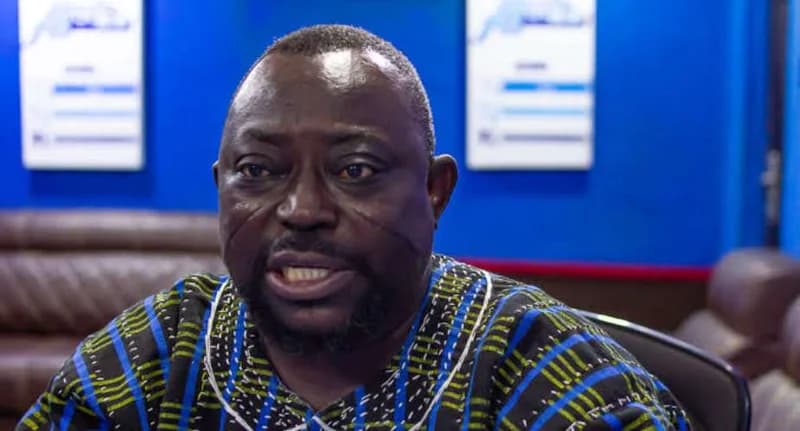
However, the government’s approach has met with criticism from the opposition. Mr. Peter Ayinbisa Ayamga, the Upper East Regional Communications Director for the New Patriotic Party (NPP), has questioned the decision to prioritize new constructions over the completion of existing infrastructure. Reacting to the budget review, Ayamga argued that the government "had its priorities wrong" by planning a new SHS for the Upper East Region when many current institutions suffer from critical deficiencies. He pointed to a lack of dining halls and other essential facilities in existing schools, as well as several abandoned education projects that remain uncompleted. Ayamga emphasized that investments should first address these longstanding gaps and improve the quality of current learning environments before expanding the school network.
The debate over the $300 million facility highlights the ongoing tension between expanding educational access and maintaining institutional quality. While the John Mahama-led administration views the new constructions and school upgrades as essential steps toward ending the double-track system and modernizing the curriculum, critics maintain that the rehabilitation and completion of existing projects must remain the urgent priority. As the government prepares to roll out these 210 projects, the focus will likely remain on whether these investments can deliver on the promise of a more robust, single-track educational system that equips Ghanaian youth with 21st-century skills.
This story touches markets covered on Anansi Intelligence ↗.
Related topic
NPP (New Patriotic Party): Latest News →More from education
Continue exploring similar stories


