••
Finance Minister Ato Forson Unveils $300m World Bank-Funded STARR-J Project to End Double-Track System
•2 min read•18 sources
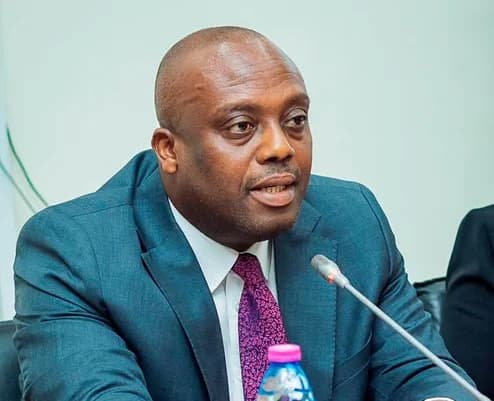
Finance Minister Dr. Cassiel Ato Forson has announced a landmark US$300 million World Bank-funded initiative designed to overhaul Ghana’s secondary education system. Presenting the 2026 Mid-Year Budget Review to Parliament on July 23, Dr. Forson revealed that the Secondary Education Transformation and Resilience – Junior (STARR-J) project will finance 210 major infrastructure interventions across the country. The initiative is a cornerstone of the government’s strategy to enhance educational quality and is projected to benefit approximately 2.3 million students, 100,000 teachers, and 2,000 school leaders nationwide.
At the heart of the project is an ambitious infrastructure plan that includes the construction of 10 new secondary schools in underserved regions and the rehabilitation or upgrading of up to 200 existing institutions. These developments are specifically aimed at eliminating the double-track system within two years, a move intended to restore a single, stable academic calendar and improve learning conditions for students. Deputy Minister of Finance Thomas Nyarko Ampem noted that 86% of the credit facility, provided by the World Bank’s International Development Association (IDA), is strictly allocated for physical works, ensuring that the bulk of the investment directly addresses the nation’s classroom deficit.
Beyond physical infrastructure, the STARR-J project emphasizes academic excellence in Science, Technology, Engineering, and Mathematics (STEM). The government intends to use the funds to improve learning outcomes in Mathematics and Science while actively promoting female participation in STEM and Technical and Vocational Education and Training (TVET). To support these academic goals, the program will provide free textbooks and essential furniture for public secondary schools, ensuring that students in even the most remote areas have the resources necessary to compete in a technology-driven global economy.
The initiative has received bipartisan support in Parliament, with Minority Leader Alexander Afenyo-Markin acknowledging the program’s alignment with previous efforts to expand education access under the former administration. The loan agreement features highly concessional terms, including a 30-year repayment period and a five-year grace period. As the government begins the rollout of these 210 infrastructure projects, Dr. Forson emphasized that this investment is vital for youth empowerment and national development, positioning Ghana’s future workforce to meet the demands of a changing economic landscape.
This story touches markets covered on Anansi Intelligence ↗.
More from education
Continue exploring similar stories


