••
Asenso-Boakye Advocates for National Flood Fund Amid Project Disruptions and Koforidua Security Crackdown
•2 min read•7 sources
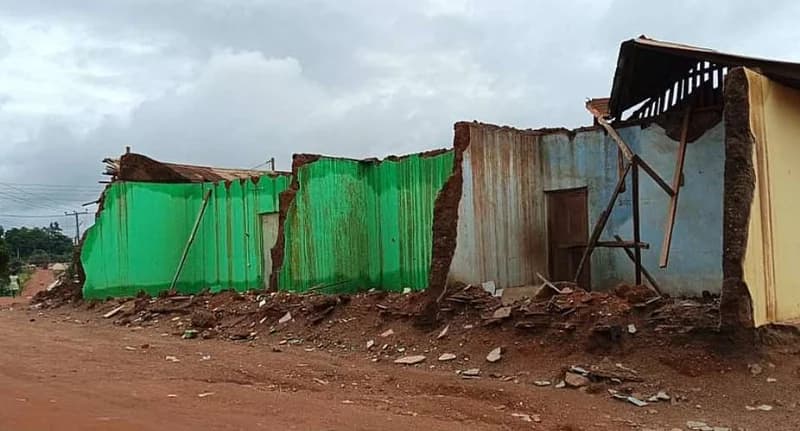
Ghana’s ongoing struggle with seasonal flooding has moved to the forefront of national discourse as heavy rains disrupt major infrastructure projects and trigger security interventions. Francis Asenso-Boakye, Member of Parliament for Bantama and Ranking Member on the Local Government and Decentralisation Committee, has formally urged the government to significantly increase investment in flood control initiatives. His call for the establishment of a National Flood Control Fund comes as multiple regions face the immediate consequences of poor drainage and heavy rainfall, highlighting a systemic need for infrastructure resilience and stricter regulatory enforcement to protect lives and property.
In the Ajumako-Enyan-Essiam District, the ambitious ‘Big Push’ project—a major 111-kilometre road rehabilitation effort—has hit a critical bottleneck due to unusually early rains that began in May. Construction firms E-Speedway Construction Limited and General Construction and Development Limited have been forced to suspend earthworks as muddy and slippery conditions render heavy machinery non-operational. While project managers report that nearly 98% of preparatory work is complete, the overflowing Amissah Okye river and persistent flooding have hindered progress, severing access to communities like Ajumako Amia and complicating compensation discussions for residents whose buildings were demolished to make way for the road expansions.
Parallel to these weather-driven delays, security agencies have taken drastic measures to enforce public safety standards in the Eastern Region. A joint operation involving National Security, the Ghana Armed Forces, and the Ghana Police Service led to the arrest of six individuals at the China Mall construction site in Koforidua. The developers reportedly defied a stop-work order from the Eastern Regional Security Council (REGSEC) aimed at addressing the project's negative impact on local drainage systems. Eastern Regional National Security Coordinator Francis Annoh-Dompreh emphasized that the site has been declared a restricted zone, noting that the developers failed to complete mandatory drainage reconstruction required to prevent worsening floods in the surrounding area.
These developments underscore the criticisms leveled by Mr. Asenso-Boakye regarding the politicization of flood management and the failure of past administrations to implement lasting solutions. He emphasized that addressing the crisis requires a multi-faceted approach involving public education, stricter enforcement of planning regulations by local assemblies, and an end to improper waste disposal. As project managers in Ajumako vow to resume work once weather permits, the broader political challenge remains: establishing a sustainable financial and regulatory framework to protect Ghanaian communities from the increasingly predictable devastation of the rainy season.
This story touches markets covered on Anansi Intelligence ↗.
More from politics
Continue exploring similar stories


