••
Apple Debuts iPhone Duo Foldable and iPhone 18 Pro Series with Focus on Refined Utility
•2 min read•4 sources
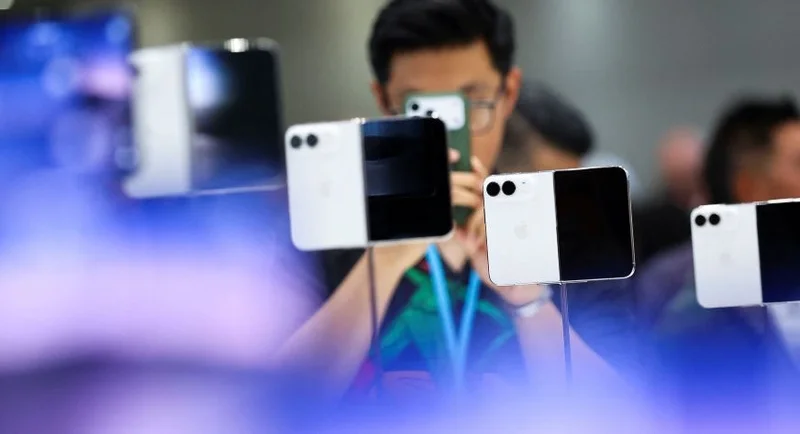
Apple has officially entered the foldable smartphone market with the launch of the iPhone Duo, alongside the debut of the iPhone 18 Pro and iPhone 18 Pro Max. During its recent high-profile hardware event, the tech giant showcased a strategy that leans heavily on refining existing technologies rather than rushing to be first to market. Reactions from tech enthusiasts and analysts have been notably divided, with some hailing the introduction of the Duo as a revolutionary shift for the brand, while others dismiss the updates as largely incremental improvements to an already mature product line. The iPhone 18 Pro and Pro Max continue Apple’s tradition of steady evolution, offering improved camera systems and a more powerful internal chip designed for faster performance. However, these enhancements are viewed by many as modest tweaks that do not fundamentally change the daily user experience for those already owning recent models. The focus remains on providing a polished, reliable device for the premium market, yet the lack of groundbreaking new features in the standard Pro lineup has led many experts to question whether an immediate upgrade is necessary for the average consumer. The highlight of the event was undoubtedly the iPhone Duo, Apple's first foray into the foldable category. While the device offers seamless integration into the iOS ecosystem, it enters a competitive landscape already populated by mature offerings from Samsung and Huawei. Early assessments suggest that while the Duo is a feat of engineering, it is currently heavier and carries a higher price tag than its competitors. Furthermore, its multitasking capabilities are reportedly more limited than those of rival folding phones, reflecting Apple's cautious approach to new hardware formats. Ultimately, the launch underscores a shift in consumer tech toward utility over marketing hype. Experts advise that users should prioritize their actual needs and the current limitations of their existing hardware before committing to an upgrade. Rather than being swayed by the novelty of a folding screen or slightly faster processing speeds, consumers are encouraged to master their current devices and only invest in new technology when it provides a clear solution to a problem. As Apple continues to refine its ecosystem, the decision to upgrade remains a matter of practical necessity rather than simply keeping pace with the latest release.
