••
Mass Apollo Go Robotaxi Outage Causes Gridlock in Wuhan, Raising Global Autonomous Vehicle Safety Concerns
•2 min read•1 source
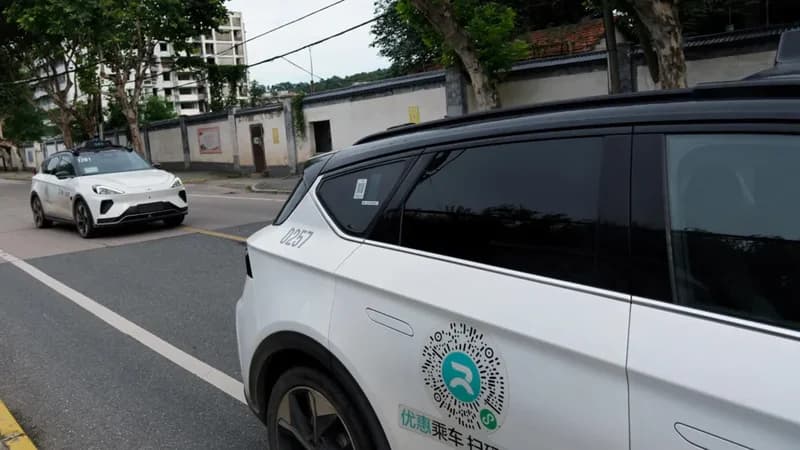
A massive system outage involving Baidu's Apollo Go robotaxi service has caused significant traffic disruption in the Chinese city of Wuhan. More than a hundred autonomous vehicles reportedly came to a sudden halt in the middle of busy roads, sparking immediate safety concerns and widespread public attention. While the scale of the malfunction led to initial fears of a major highway collision, local law enforcement has confirmed that no injuries occurred and all passengers were able to exit the stranded vehicles safely. The incident has turned a spotlight on the reliability of autonomous fleets as they move from experimental phases to widespread urban deployment.
The incident, captured in numerous videos shared across social media, highlights the technical vulnerabilities still inherent in self-driving technologies. Preliminary reports suggest a suspected system-wide malfunction triggered the mass stoppage, effectively paralyzing parts of Wuhan's transportation network. Experts are now focusing on the root cause of this failure, noting that while the technology aims to reduce human error, it introduces significant new risks related to software stability and centralized control systems. The rapid deployment of driverless taxis in Chinese urban centers has turned cities like Wuhan into live testing grounds, making such large-scale failures particularly visible to the international community.
This recent outage is not an isolated event but adds to a growing list of technical failures involving autonomous fleets globally. Similar incidents have been recorded with Waymo in San Francisco and earlier Apollo Go operations in Chongqing, underscoring the ongoing challenges in achieving foolproof autonomous navigation in complex environments. As investigations continue into the Wuhan malfunction, the event has reignited a fierce global debate regarding the safety and readiness of robotaxis. Regulatory bodies and tech developers now face intensified pressure to demonstrate that these systems can handle urban infrastructure without posing systemic risks to public safety.
This story touches markets covered on Anansi Intelligence ↗.
More from technology
Continue exploring similar stories


