••
Ghanaian actor Andrew Tandoh Adote has issued a strong call for legislative reform to protect the intellectual property rights of voice-over artists, highlighting a critical gap in the nation's creative economy. Speaking on Joy FM’s Showbiz A-Z, Adote emphasized the urgent need for robust enforcement mechanisms to ensure that performers receive fair royalties for their work. He pointed out that while neighboring countries like Nigeria have made significant strides in establishing unified voice-over communities and structured royalty systems, Ghana continues to struggle with fragmented industry associations and a lack of governmental support. Adote’s appeal serves as a reminder of the vulnerabilities faced by specialized performers in an increasingly digital media landscape.
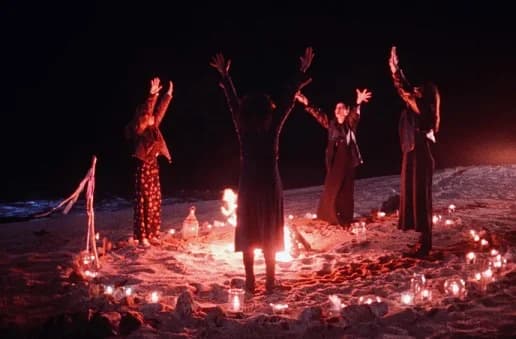
While industry leaders push for legal protections, the content being consumed is also undergoing a psychological shift, particularly among Gen Z audiences. Recent trends indicate a growing preference for horror films, such as "Obsession" and "Backrooms," which therapists like Lauren Cook suggest serve as a mirror to real-world anxieties. For a generation shaped by an uncertain economy, a global pandemic, and existential trauma, horror narratives provide a safe space to process societal issues and personal anxieties. These films move beyond traditional scares to explore complex themes like red pill culture and systemic instability, offering Gen Z an honest reflection of their tumultuous upbringing.
This evolution in media consumption and industry rights is further complicated by the volatile nature of contemporary broadcast television. A recent episode of the domestic affairs program Ahenfie Nkomo illustrated the intense friction that can occur when media platforms tackle sensitive social issues. Host Oheneni Adazoa was involved in a heated live exchange with a guest named Christopher, following serious allegations regarding his conduct. The guest challenged the host’s authority during the broadcast, highlighting the growing trend of confrontational media where personal grievances and public accountability collide in real-time.
Together, these developments paint a picture of a media landscape in flux, where the push for professionalization and legal framework is balanced against raw, unscripted drama and deeply psychological content. The calls from figures like Andrew Tandoh Adote suggest that for Ghana’s entertainment sector to reach its full potential, it must move toward a more structured and legally protected environment. As audiences continue to seek out content that reflects their internal realities and as broadcast drama remains a staple of public discourse, the necessity for clear industry standards and protective legislation becomes increasingly vital for the sustainability of the creative arts.
This story touches markets covered on Anansi Intelligence ↗.
Continue exploring similar stories


