••
UMaT Professor Calls for Tax Removal on Solar Panels to Drive Ghana's Green Energy Transition
•2 min read•4 sources
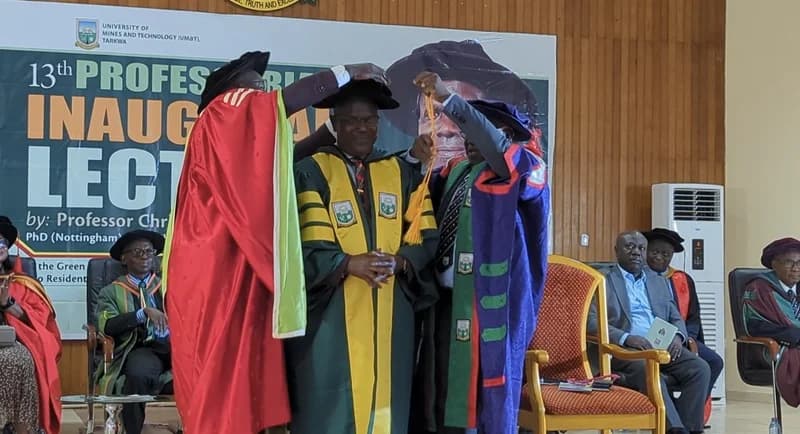
Professor Christian Kwaku Amuzuvi, the Head of the Electrical and Electronic Engineering Department at the University of Mines and Technology (UMaT), has made a strong appeal to the Ghanaian government to eliminate all taxes on solar panels and their accessories. Speaking during his 13th Professorial Inaugural Lecture, Professor Amuzuvi argued that the current taxation structure significantly inflates the cost of solar technology, creating a prohibitive barrier for residential adoption. He emphasized that making these systems more affordable is essential for Ghana to overcome its chronic power shortages and accelerate its transition toward sustainable, green energy. The professor highlighted that despite the high viability of solar energy, high system-level costs continue to deter consumers. To bolster solar adoption across the country, Professor Amuzuvi proposed the launch of a National Residential Rooftop Solar PV Promotion Drive. He suggested that the government should model this initiative after the successful national promotion of Liquefied Petroleum Gas (LPG) in previous years. By treating solar energy with the same level of strategic importance, Ghana could effectively leverage its abundant natural resources to provide a reliable alternative to the national grid. According to the professor, such structural reforms are necessary to make renewable energy a practical reality for the average Ghanaian household rather than a luxury for the few. Beyond energy security, the lecture highlighted the significant socio-economic benefits of a tax-free solar market. Professor Amuzuvi noted that a burgeoning solar industry would stimulate job creation for the youth, particularly for young engineering graduates who currently face limited professional opportunities and frustration. By fostering a more accessible solar market, the government could simultaneously reduce the nation’s carbon footprint and empower the next generation of technical experts. The call comes at a critical time when Ghana is seeking diverse energy solutions to stabilize its power supply and meet international environmental commitments. Professor Amuzuvi’s recommendations provide a roadmap for policy shifts that align economic incentives with environmental goals. If the government heeds this call, the resulting reduction in system costs could transform the nation's energy landscape, turning residential rooftops into power generators and securing a cleaner, more reliable energy future for all citizens.
This story touches markets covered on Anansi Intelligence ↗.
More from education
Continue exploring similar stories


