••
NRSA Director-General Abraham Amaliba Announces Major Reforms to Curb Rising Road Fatalities in Ghana
•2 min read•4 sources
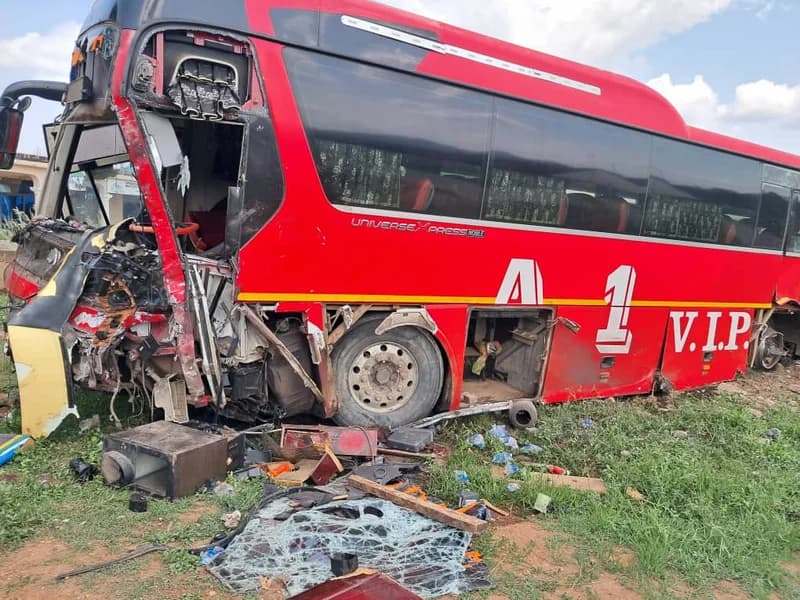
Abraham Amaliba, the Director-General of the National Road Safety Authority (NRSA), has unveiled a suite of comprehensive reforms designed to significantly reduce road carnage across Ghana. Speaking during a courtesy call with the Upper East Regional Minister, Akamugri Donatus Atanga, Mr. Amaliba highlighted the urgency of these measures, noting that road traffic fatalities have alarmingly surpassed deaths recorded during the COVID-19 pandemic. The proposed initiatives represent a strategic shift towards technology-driven enforcement and proactive hazard management to address what has become a major public health crisis on Ghana's highways.
A cornerstone of the new strategy is the introduction of "Traffic Tech," an automated system designed to monitor and penalize traffic violations without human intervention. Utilizing advanced speed cameras and sensors at traffic lights, the system will detect offenders and automatically send notification alerts, including video evidence, via text message. This move aims to instill discipline among motorists by ensuring that infractions such as overspeeding and running red lights are captured and prosecuted efficiently, reducing the reliance on manual police checks which are often subject to human error or physical limitations.
In addition to technological upgrades, the NRSA is reintroducing a mandatory vehicle towing policy under Legislative Instrument (LI) 2519. This reform requires vehicle owners to subscribe to towing services through specialized companies or insurance providers to facilitate the swift removal of broken-down or stationary vehicles, which are currently a major cause of nighttime collisions. Furthermore, the Authority is doubling down on helmet enforcement for motorbike riders, identifying the lack of protective gear as a leading contributor to the severity of road-related injuries and fatalities across the country.
To ensure the success and public acceptance of these reforms, the NRSA plans to embark on an intensive six-month public education campaign before full implementation proceeds. As part of a broader collaborative framework, Regional Ministers and local executives will be designated as Road Safety Ambassadors to lead safety initiatives at the grassroots level. While initial rollout activities are slated to begin as early as 2024, the comprehensive system is expected to be fully operational by 2027. Minister Akamugri Atanga expressed strong support for the measures, emphasizing that innovative, technology-led solutions are vital to preserving lives and enhancing the safety of Ghana's transport landscape.
This story touches markets covered on Anansi Intelligence ↗.
More from health
Continue exploring similar stories


