••
Akwatia and Tamale Central By-Elections Anchor Shifting Ghanaian Political Landscape
•3 min read•17 sources
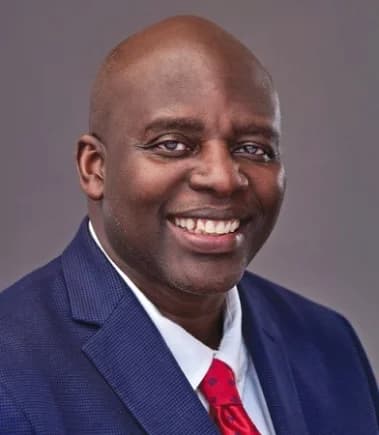
Ghana’s political arena is currently defined by preparations for critical by-elections and a heated national debate over economic stewardship. The Electoral Commission has scheduled the Akwatia constituency by-election for September 2, 2025, following the death of NPP Member of Parliament Ernest Kumi. The National Democratic Congress (NDC) has elected 40-year-old lawyer Bernard Bediako Baidoo to contest the seat, while Solomon Kwame Asumadu represents the New Patriotic Party (NPP). In a contrasting move, the NPP National Steering Committee announced it will not field a candidate for the Tamale Central by-election, citing a desire to foster national unity and avoid political polarization following the tragic death of MP Alhaji Dr. Ibrahim Murtala Mohammed in a helicopter crash.
In Parliament, the debate over the 2025 Mid-Year Budget Review has exposed deep ideological rifts between the governing NDC and the NPP minority. Deputy Majority Leader George Kweku Ricketts-Hagan asserted that President John Mahama’s administration is "resetting" the economy through homegrown policies, specifically highlighting the growth of national gold reserves to over $11 billion. However, the NPP minority, led by figures like Kwabena Okyere Darko-Mensah, disputed these claims, arguing that current economic growth is the result of initiatives established during the immediate past administration of Nana Akufo-Addo. Residents in the Sekondi-Takoradi area expressed cautious optimism about the budget while urging the government to prioritize digital payment systems and infrastructure completion.
The structural integrity of Ghanaian democracy is also under scrutiny as calls for political financing reform grow louder. Dr. John Enyonam Kpikpi, flagbearer of the Progressive Alliance for Ghana (PAG), has called for a radical review of MPs' salaries and benefits, suggesting they be aligned with those of teachers and medical doctors to ensure politics remains a public service rather than a path to wealth. This follows a Ghana Centre for Democratic Development (CDD) study estimating the cost of winning a presidential election at $150 million. Concerns about the influence of money are further highlighted by the NPP’s high primary fees, with total costs for presidential candidates reaching GH₵1,000,000, leading legal practitioner Martin Kpebu to suggest that the NPP may face a long road back to power, potentially until 2032.
At the local and personal levels, political tensions continue to manifest in protests and historical grievances. In Akyem Asene, over 1,000 residents demonstrated against their NPP MP, George Kwame Aboagye, alleging neglect of their community compared to other parts of the constituency. Meanwhile, UT Bank founder Kofi Amoabeng recently alleged that the former NPP government attempted to block his international travel by writing to the US Embassy to deny him a visa. These developments, coupled with the 13-year abandonment of a Vice-Presidential residence in Cantonments and recent televised clashes between NPP and NDC representatives, underscore a volatile political climate as the nation navigates the challenges of the Mahama presidency's first year.
Related topic
NDC (National Democratic Congress): Latest News →Live rates
Ghana gold price →

