••
Health Minister Announces 2026 NHIS Tariff Increase Amid Calls for Better Allied Health Salaries and Infrastructure
•3 min read•4 sources
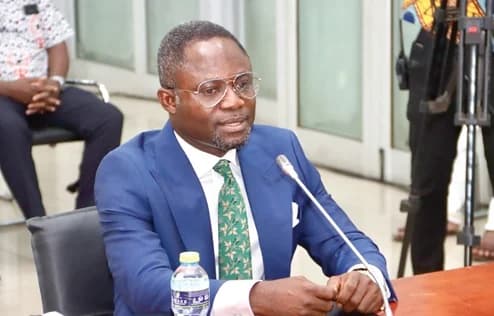
Health Minister Kwabena Mintah Akandoh has announced a significant adjustment to the National Health Insurance Scheme (NHIS) tariffs, scheduled to take effect in August 2026. This strategic move is designed to bolster the scheme's long-term sustainability and ensure that healthcare providers receive adequate reimbursement for their services. The announcement comes as various stakeholders, including members of Parliament, intensify calls for broader reforms to address infrastructure deficits and improve the welfare of healthcare personnel across the country.
Addressing the issue of financial integrity within the system, the Minister issued a stern warning to healthcare providers regarding the imposition of illegal charges on NHIS subscribers. He specifically targeted the practice of "co-payment," where patients are forced to pay out-of-pocket for services already covered by the scheme. Akandoh emphasized that the government is committed to monitoring compliance and is actively prosecuting such cases to protect citizens. The upcoming tariff hike is intended to mitigate the financial pressures that lead some facilities to adopt these illegal practices, ensuring quality care remains accessible to all members.
Beyond financing, the welfare of the healthcare workforce has taken center stage in recent parliamentary discussions. Davis Ansah Opoku, Vice Chairman of the Public Accounts Committee (PAC), has advocated for the harmonization of salaries and improved conditions of service for Allied Health Professionals. During a session discussing medical equipment procurement, Opoku highlighted that the effectiveness of Ghana’s healthcare system relies heavily on "behind-the-scenes" professionals, such as Medical Laboratory Scientists and Physiotherapists. He urged key ministries to engage in structured dialogue to establish clear career paths and equitable pay structures, asserting that these investments are vital for a functional healthcare system.
Complementing these national policy shifts are localized efforts to improve health infrastructure and personnel retention. In the Bole-Bamboi constituency, Member of Parliament Dr. Yusif Sulemana has successfully secured funding to complete a staff quarters project at the Bole District Hospital that had been abandoned for 14 years. Originally initiated in 2012, the project stalled due to funding constraints, severely impacting the hospital’s ability to accommodate essential staff. The resumption of work, following engagements with hospital management, represents a critical step in addressing the accommodation crisis and improving healthcare delivery in the district.
These combined developments—ranging from national insurance reforms to localized infrastructure projects and personnel advocacy—underscore a multifaceted approach to revitalizing Ghana's health sector. By addressing the financial sustainability of the NHIS while simultaneously focusing on the living conditions and salary structures of healthcare professionals, the government and legislators aim to build a more resilient and equitable health delivery system. The success of these initiatives will depend on consistent implementation and the elimination of illegal billing practices that currently burden the Ghanaian public.
This story touches markets covered on Anansi Intelligence ↗.
More from health
Continue exploring similar stories


