••
Gender Minister Dr. Agnes Naa Momo Lartey Reports Major Expansion of Ghana School Feeding Programme to 4.5 Million Children
•3 min read•8 sources
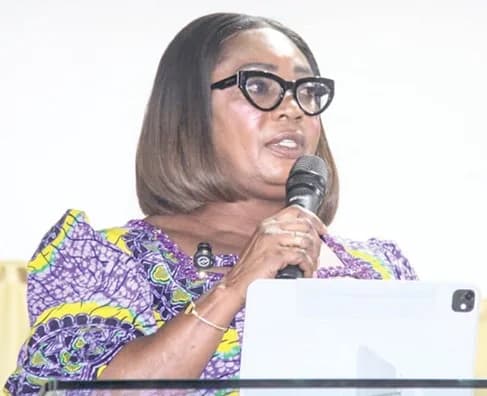
The Minister of Gender, Children and Social Protection, Dr. Agnes Naa Momo Lartey, has announced a significant expansion of the Ghana School Feeding Programme, which now provides daily nutritious meals to 4.53 million schoolchildren nationwide. Under the leadership of President John Mahama, the initiative has seen a consistent rise in both reach and financial commitment to combat hunger and improve student nutrition. The program's budget has grown from GH 1,393,000,000 in 2024 to GH 1,982,000,000 in 2026. This budgetary growth supported an increase in the meal grant from GH 1.50 to GH 2.00 per pupil, ensuring that over half a million additional children have been brought into the program over the last two years.
Beyond financial allocations, Dr. Lartey highlighted structural improvements to the program, including the settlement of all caterer arrears from 2024. The Ministry has also prioritized compliance monitoring and specialized training for caterers to maintain high nutrition standards. These efforts are part of a broader government strategy to ensure that the physical well-being of students remains a foundation for their academic success. This focus on nutrition is being paired with a call for more robust reporting mechanisms in schools, as experts like Professor Simon Peter Kafui Aheto urge school heads to adopt gender-responsive policies and avoid "internal settlements" of abuse cases, referring them instead to the appropriate authorities.
While the national government addresses nutrition, regional leaders are intensifying efforts to ensure student safety and moral discipline. Eastern Regional Minister Rita Akosua Adjei Awatey recently issued a stern warning to male teachers, emphasizing that sexual relations with female students constitute professional misconduct and will result in severe legal consequences. Speaking at the Yilo Krobo Future Leaders Conference, Mrs. Awatey noted that protecting students from teenage pregnancy and substance abuse requires a collaborative effort between disciplined teachers and supportive parents. This sentiment was echoed in the Volta Region, where Director of Gender Thywill Eyra Kpe encouraged adolescent girls from broken homes to remain focused on their career goals despite personal hardships.
Looking toward the future, education stakeholders are also calling for a shift in how students perceive career paths, particularly in agriculture. Current trends often see agriculture treated as a fallback for students with lower grades, a mindset that experts argue threatens national food security. By integrating technology and modern innovation into the curriculum, educators hope to rebrand agriculture as a prestigious field for the nation's best and brightest. This multifaceted approach—combining nutritional support, legal protection, and forward-thinking career guidance—aims to provide a comprehensive support system for the next generation of Ghanaian leaders.
Related topic
John Mahama: Latest News & Updates →

