••
African Nations Advance Climate Resilience and Wildlife Protection Through Localized Conservation Initiatives
•3 min read•5 sources
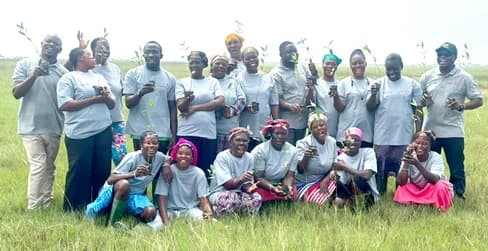
Across West and Southeast Africa, governments and local communities are intensifying efforts to combat environmental degradation and climate change through strategic reforestation and sustainable agricultural practices. From the coastal wetlands of Ghana to the flood-prone plains of Malawi, new initiatives are being implemented to restore vital ecosystems and protect biodiversity. These efforts highlight a growing trend of inter-agency collaboration and community-led conservation aimed at securing both environmental stability and local livelihoods.
In Ghana's Ada West District, a major restoration project was launched to coincide with World Mangrove Day 2026. This initiative, a collaborative effort involving local authorities, ActionAid Ghana, and Habitat for Humanity, aims to restore 38 hectares of depleted coastline by planting 95,000 mangrove seedlings. Mangroves serve as a critical natural barrier against coastal flooding and erosion, yet they have faced significant depletion due to unsustainable local practices. By restoring these ecosystems, the project seeks to increase climate resilience and promote sustainable livelihoods for residents who depend on the coastal environment.
Simultaneously, in Malawi’s Nsanje district, farmers are pivoting toward banana cultivation as a strategic defense against the region’s chronic flooding. Supported by the Zurich Climate Resilience Alliance, the project has distributed banana suckers to 100 farmers to replace less resilient crops like maize. Agriculture experts, including Tamani Nkhono-Mvula, emphasize that banana plants are exceptionally effective at conserving water and protecting soil from erosion. For local farmers like Kampira, the shift is also economic; a single bunch of bananas can fetch 25,000 Malawian kwacha, providing a more stable income while contributing to the area's environmental conservation efforts.
Conservation efforts were further highlighted at Ghana’s Mole National Park during the 2026 World Ranger Day celebrations on July 31. The event, organized by the Forestry Commission, saw an unusual but significant participant: the Ghana Prisons Service. Represented by ASP Abigail Doudu from the Damongo Camp Prison, the Prisons Service expressed its commitment to biodiversity conservation and national development. This partnership underscores the importance of multi-sectoral cooperation in safeguarding Ghana’s forests and wildlife, acknowledging the dangerous and essential work rangers perform to protect the nation's natural heritage.
These diverse initiatives in Ghana and Malawi reflect a broader continental shift toward proactive environmental management. By integrating economic incentives with ecological restoration—such as profitable banana farming or community-managed mangrove forests—these programs ensure that conservation is not only environmentally sound but also socially sustainable. Moving forward, the success of these projects will depend on continued institutional support and the active participation of local communities in maintaining the progress achieved during these 2026 milestones.
Related topic
Ghana Prisons Service Recruitment: Latest News →
