••
Africa CDC Endorses Continental Sickle Cell Plan as KGL Foundation Drives Local Health Screenings in Bolgatanga
•2 min read•2 sources
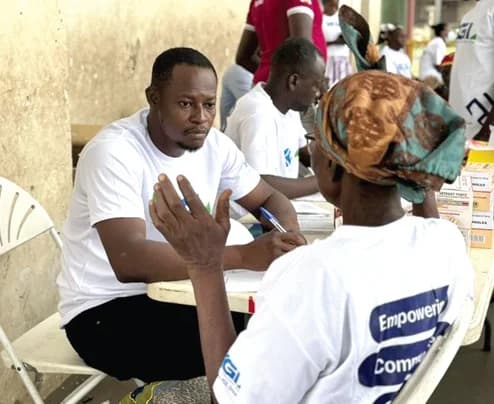
In a dual-front push to improve healthcare outcomes across the continent and within Ghana, the Africa CDC has endorsed a landmark continental plan for Sickle Cell Disease (SCD) while the KGL Foundation has conducted vital health screenings for residents in the Bolgatanga Municipality. These initiatives highlight a growing momentum toward decentralizing healthcare and prioritizing early diagnosis for both genetic and infectious diseases. The Africa CDC's plan specifically targets the more than 300,000 babies born annually with SCD in sub-Saharan Africa, many of whom currently go undiagnosed due to a lack of accessible screening and primary care integration.
The continental SCD plan, validated during a high-level workshop, emphasizes a shift from reliance on tertiary hospitals to a community-led, decentralized model. By integrating sickle cell services into primary healthcare, the Africa CDC aims to make life-saving diagnosis and long-term care more accessible to rural and underserved populations. Experts at the workshop underscored that the success of this plan depends on robust workforce development and the establishment of reliable data systems to track patient outcomes. This policy shift aligns with a broader call for African health solutions that involve patients directly in the development and implementation of healthcare programs.
On the local front in Ghana, the KGL Foundation demonstrated the practical application of community-based health interventions by hosting a comprehensive screening exercise in Bolgatanga. Despite inclement weather, the event saw a significant turnout from residents seeking tests for Hepatitis, HIV, malaria, and mental health issues. Nii Ankonu Annorbah-Sarpei, Programmes Manager for the KGL Foundation, stressed that early health awareness is a cornerstone of national progress, as a healthy workforce is essential for economic stability. Public Health Nurse Rosemary Akolbire noted a worrying trend of undiagnosed non-communicable diseases in the region, further justifying the need for regular, affordable community screenings.
These two developments collectively signal a transformative period for public health in Africa, moving from high-level policy endorsement to tangible community action. While the Africa CDC works to transform continental policy into actionable improvements for rare blood disorders, local organizations like the KGL Foundation are filling critical gaps in immediate healthcare delivery. Beneficiaries of the Bolgatanga screening, such as Abubakar Zakaria, have called on other corporate entities to emulate this model, suggesting that the path to a healthier population lies in the synergy between international policy frameworks and sustained local community engagement.
This story touches markets covered on Anansi Intelligence ↗.
More from health
Continue exploring similar stories


