••
Africa CDC Seeks $1.4 Billion to Combat Historic Ebola Outbreak Amid Rising Death Toll in DR Congo
•3 min read•13 sources
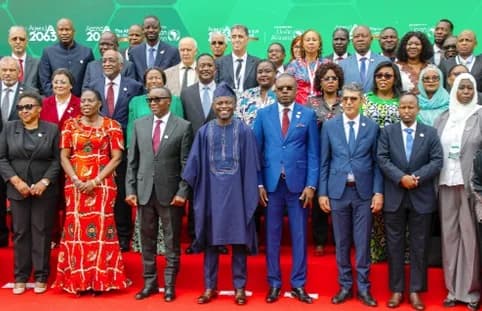
The Africa Centres for Disease Control and Prevention (Africa CDC) has issued a stark warning that the current Ebola outbreak could become the deadliest in history if African nations and international partners fail to mobilize immediate resources. Speaking at an African Union (AU) health summit in Accra, Ghana, Africa CDC Director-General Dr. Jean Kaseya revealed that at least $1.4 billion is required to contain the crisis. The Democratic Republic of the Congo (DRC) remains the epicenter of the emergency, with the Ministry of Health reporting that the death toll has reached 999 out of 2,473 confirmed cases. This outbreak, driven by the Bundibugyo virus strain, is currently recognized as the fastest-growing on record, yet it lacks an approved vaccine or standard treatment.
Containment efforts in the DRC are facing unprecedented hurdles, including active rebel violence and labor disputes. The World Health Organization (WHO) has expressed deep concern that approximately 80% of new cases are originating from unknown transmission chains, suggesting the virus is spreading undetected in several communities. Furthermore, the response has been hampered by at least 12 recorded attacks on health facilities and the abandonment of posts by healthcare workers due to security fears and unpaid wages. Despite these setbacks, the Congolese government is intensifying response efforts, and international researchers, including teams from the University of Oxford, are fast-tracking trials for a new vaccine specifically targeting the Bundibugyo strain.
While the situation remains critical in the DRC, the Africa CDC is advocating for a more nuanced international response to countries that have successfully managed the virus. Dr. Kaseya called on the United States to lift travel restrictions on Uganda, noting that the country has not reported a new case in three weeks and has discharged its last patient. He emphasized that penalizing nations for their transparency during health crises discourages open reporting. At the same summit, health officials, including Ghana’s Kwabena Mintah Akandoh and AU Health Commissioner Amma Adomaa Twum-Amoah, stressed the importance of domestic financing and primary healthcare to reduce the continent's dependency on external aid during such emergencies.
In a related development, the Ghanaian Ministry of Health has officially clarified that Ghana has not recorded any cases of Ebola, refuting an incorrect report by SABC News. The South African broadcaster has since apologized for the error, which the Ministry labeled as false and misleading. As the region remains on high alert, the consensus among leaders in Accra is that addressing inefficiencies in disease surveillance and fostering community trust are the only sustainable paths to managing current and future health crises across the continent.
This story touches markets covered on Anansi Intelligence ↗.
More from health
Continue exploring similar stories


