••
Africa CDC Calls for Local Vaccine Manufacturing as DRC Ebola Cases Surpass 3,200
•3 min read•10 sources
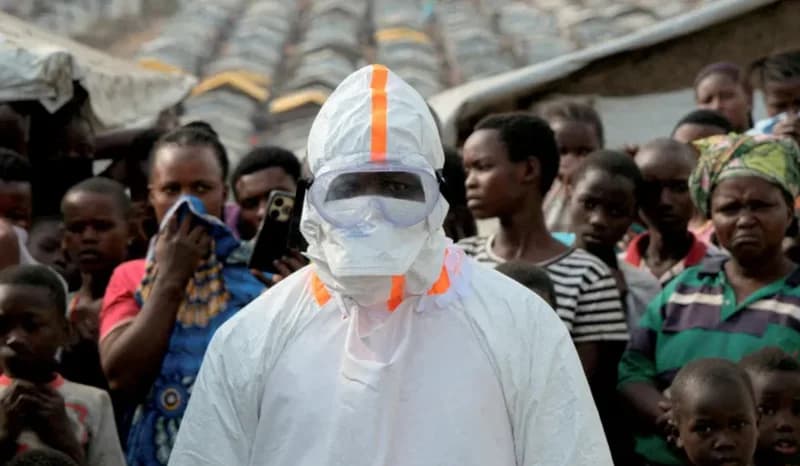
The Democratic Republic of Congo (DRC) is currently grappling with a severe surge in Ebola infections, with confirmed cases reaching 3,200 and fatalities rising to at least 1,405. This 17th outbreak, which was officially declared on May 15, is particularly concerning due to the prevalence of the Bundibugyo strain of the virus—a variant for which there is currently no approved vaccine or specific treatment. Health officials report that infections spiked by approximately 1,000 cases in a mere 10-day period, with nearly 90% of these cases concentrated in the northeastern province of Ituri. The World Health Organization (WHO) has warned that the actual toll could be higher, as humanitarian challenges and regional instability hamper accurate data collection and access to affected communities.
The response effort in the DRC faces significant internal hurdles, including strikes by healthcare workers over unpaid wages, which have disrupted hospital operations at a critical juncture. Despite these challenges, experimental vaccine trials are being fast-tracked to address the Bundibugyo strain. Simultaneously, the Director-General of the Africa Centres for Disease Control and Prevention (Africa CDC), Dr. Jean Kaseya, has utilized the platform of the African Union Summit to call for a paradigm shift in how the continent handles such crises. Dr. Kaseya emphasized that the future of African health security lies in evidence-based responses and a drastic reduction in the continent's reliance on external medical supplies.
Central to the Africa CDC's strategy is the promotion of local vaccine and pharmaceutical manufacturing. Dr. Kaseya praised efforts to bolster regional production and highlighted the importance of proactive communication in debunking misinformation. This follows Ghana’s recent dismissal of false rumors regarding an Ebola outbreak within its borders; Ghanaian authorities confirmed that surveillance systems are fully functional and no cases have been detected. The Director-General argued that building community trust and strengthening public health infrastructure are essential to combat the "infodemic" of misinformation that often undermines official health interventions.
Looking ahead, Dr. Kaseya expressed a firm ambition for Africa to achieve a level of health autonomy that would allow it to manage outbreaks independently by December 2026. This vision requires sustained investment in regional manufacturing and a shift away from fear-based reactions toward science-driven policy. As clinical trials for new treatments continue, the immediate focus remains on containing the spread in the DRC through improved detection and testing, while laying the groundwork for a self-sufficient African health architecture capable of withstanding future biological threats.
This story touches markets covered on Anansi Intelligence ↗.
More from health
Continue exploring similar stories


