Ghana News AI
HomeBriefsAsk GhanaTopicsTools
•
•

Stay Informed

Get AI-curated news briefs from Ghana delivered to your inbox every morning. Free forever, no spam.

Explore

  • Home
  • Briefs
  • About

Categories

  • Politics
  • Business
  • Sports
  • Entertainment
  • Africa

Features

  • Analysis
  • Cedi Rates
  • Dollar to Cedi
  • Ghana Gold Price
  • BoG Policy Rate

Topics

  • Armed Forces Recruitment
  • WAEC Results & News
  • Nana Ama McBrown
  • NDC News
  • All Topics

Legal

  • Privacy Policy
  • Terms of Service
Ghana News AI© 2026. All rights reserved.
Made withfor Ghana
education

Dr. Yaw Osei Adutwum Sparks National Debate on 'Degrees to Nowhere' and the Future of Ghana’s Higher Education

11th July•2 min read•4 sources
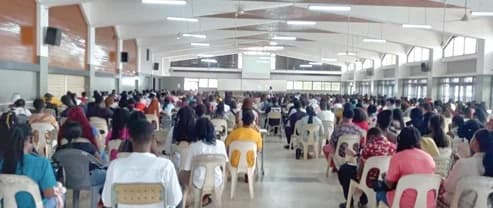
A university lecture hall
  1. Home
  2. /Education
  3. /Dr. Yaw Osei Adutwum Sparks National Debate on 'Degrees to Nowhere' and the Future of Ghana’s Higher Education

Ghana’s education sector is currently at the center of a multifaceted national debate concerning the economic relevance of university degrees, the quality of student mentorship, and the necessity of teacher motivation. The discourse was significantly amplified by former Minister of Education, Dr. Yaw Osei Adutwum, who labeled certain academic programs—specifically Development Studies and BA Education (Non-Teaching)—as "degrees to nowhere." His remarks have ignited a public conversation about whether higher education institutions are adequately preparing graduates for the labor market or if they are offering programs that lack clear employment pathways in Ghana’s challenging economy.

This debate highlights a global tension between the intrinsic value of education and its economic return on investment. While some stakeholders argue for a focus on job readiness, others caution against reducing the university experience to a mere job-training exercise. Analysts suggest that instead of dismissing certain programs as "useless," the conversation should shift toward data-driven policy changes. This includes better alignment between educational curricula and the evolving needs of the private sector, as well as an examination of post-graduation outcomes to ensure that educational investments yield tangible benefits for both individuals and the state.

Complementing this focus on curriculum relevance, prominent academic leaders are calling for a shift in how educators interact with their students. Prof. Emmanuel Adow Obeng, a former Vice-Chancellor of the University of Cape Coast (UCC), recently urged lecturers to prioritize student welfare and mentorship over the pressure to publish academic books. Speaking at an event honoring Prof. Domwini Dabire Kuupole, Obeng noted a decline in the commitment to nurturing students, suggesting that academic excellence should be measured not just by research output, but by the personal and professional development of the next generation of leaders.

Furthermore, the importance of supporting the educators themselves remains a critical pillar for reform. During the Sekondi-Takoradi Metropolitan Education Teachers Awards, Professor Eric Bruce-Amartey Jnr. of Takoradi Technical University emphasized that motivating teachers is a vital investment in the nation’s future. He argued that motivated teachers are essential for creating inspired learners and tackling modern social challenges, such as student drug abuse. By recognizing outstanding educators, the professor highlighted that a nation that neglects its teachers effectively mortgages its future, reinforcing the idea that systemic educational success requires both relevant degrees and a well-supported teaching workforce.

Our Take

From the Team

Coming Soon

Our team will add key insights, trends, and actionable takeaways to help you stay informed faster.

This story touches markets covered on Anansi Intelligence ↗.

More from education

Continue exploring similar stories

Obuasi East Assembly donates relief items to 32 Christ the King Catholic SHS fire victims
education|13th August

Obuasi East Assembly Supports SHS Fire Victims as Challenging Heights Strengthens Child Protection Governance

In a significant move to safeguard the welfare of students and vulnerable children in Ghana, the Obuasi East Municipal Assembly has stepped in to support fire victims at Christ the King Catholic Senior High School (SHS), while the prominent non-governmental organization Challenging Heights has launched a major governance overhaul. These parallel developments underscore a renewed national focus on institutional accountability and emergency response within the educational and social protection sectors. Following a devastating fire that gutted a dormitory block at Christ the King Catholic SHS, Municipal Chief Executive William Kofi Adzowu led a delegation to provide immediate relief items to 32 affected students. The assembly’s intervention included the donation of essential school supplies, such as trunks, beds, and other learning materials, aimed at alleviating the financial burden on the school and the parents of the victims. During the presentation, Mr. Adzowu commended the Ghana National Fire Service for their rapid response, which prevented further damage to the facility. While two students sustained injuries while attempting to save their belongings, they are receiving necessary care, and the school has confirmed that renovation works on the damaged dormitory are already underway. The Municipal Education Director praised the assembly for its timely fulfillment of promises, noting that such support is critical for maintaining the academic stability of the affected students. Simultaneously, the broader landscape of child protection in Ghana is seeing structural improvements through the reforms at Challenging Heights. The organization, which has dedicated two decades to child-centered advocacy, recently transitioned its Advisory Board into a fully-fledged Board of Directors, now chaired by Professor Mavis Amo-Mensah. This governance reform is designed to create a clear separation between oversight and daily management, ensuring that the NGO remains resilient beyond individual leadership. The new board has also adopted a comprehensive data protection framework in line with Ghana’s Data Protection Act, reinforcing the organization's commitment to the privacy and safety of the children it serves. These initiatives, ranging from localized emergency relief to national-level institutional reforms, highlight the multifaceted approach required to protect the next generation of Ghanaians. By combining immediate material support for students in crisis with long-term governance improvements in child advocacy organizations, stakeholders are working to build a more robust safety net. Moving forward, the focus remains on fire safety education within schools and the implementation of independent evaluations to ensure that social protection programs deliver maximum impact for the country's youth.

Local Leaders and Philanthropists Spearhead Educational Support in Jirapa and Ekumfi Municipalities
education|13th August

Local Leaders and Philanthropists Spearhead Educational Support in Jirapa and Ekumfi Municipalities

Educational infrastructure and resource availability in rural Ghana have received a significant boost through separate initiatives led by public officials and private philanthropists. In the Jirapa Municipality of the Upper West Region, Member of Parliament Cletus Seidu Dapilah and Municipal Chief Executive Peter N. N. To-ang have commissioned critical academic and health facilities. Simultaneously, in the Ekumfi District of the Central Region, gospel musician Essi Donkor has launched a foundation-led initiative to provide essential learning materials to primary school pupils, reflecting a multi-sectoral commitment to improving basic education standards. In Jirapa, the collaborative effort between the MP and the MCE resulted in the handover of a newly constructed Junior High School (JHS) block alongside several cross-sectoral projects. To address the acute shortage of seating in classrooms, the officials distributed 970 pieces of school furniture to local institutions, with an additional 2,000 desks expected to be delivered in the coming weeks. Beyond education, the development tour included the commissioning of a Community-Based Health Planning and Services (CHPS) compound and public sanitation facilities in Tiza. Mr. Dapilah and Mr. To-ang emphasized that these investments are vital for the holistic development of the municipality, urging residents to maintain the new facilities and prioritize household sanitation to complement public efforts. Meanwhile, gospel musician Essi Donkor has turned her attention to her hometown in Ekumfi through the inaugural project of her namesake foundation. The initiative targets approximately 1,500 pupils at the Ekumfi Akwansa Kokodo D/A Primary School, who are set to receive exercise books and other essential stationery items. Ms. Donkor highlighted the importance of supporting the school where her own journey began, stating that enhancing educational accessibility is the foundation's primary goal. She expressed optimism that this maiden project will pave the way for future interventions in neighboring towns, ensuring that her rising musical career also serves as a platform for community development and child welfare. These localized efforts come at a crucial time as the administration of President John Mahama continues to address the challenges of providing quality education across all regions. While the central government manages large-scale policy, the contributions of MPs like Cletus Seidu Dapilah and private citizens like Essi Donkor illustrate the importance of community-level intervention in bridging resource gaps. As these projects move from commissioning to daily use, the focus shifts to sustainability and the long-term impact on student performance and community health outcomes in rural Ghana.

Theresa Tetteh — Ledzokuku Municipal Director of Education
education|13th August

Youth Minister and Education Leaders Advocate for Values-Based Development and Growth Mindset in Ghana

Ghanaian leaders and education stakeholders are calling for a renewed focus on character building, early childhood support, and a growth mindset as essential pillars for national progress. During recent high-profile events across the country, government officials and experts emphasized that while academic and technical skills are necessary, the underlying values of discipline, integrity, and resilience will ultimately determine the success of the next generation in an increasingly digital and complex global economy. At the opening of the National Youth Conference at the Kwame Nkrumah University of Science and Technology (KNUST), the Minister of Youth Development, George Opare Addo, stressed that fostering good character is a prerequisite for national advancement. Speaking under the theme 'Building values, inspiring patriotism: Empowering the youth in the digital age,' the Minister urged young Ghanaians to leverage digital technologies for economic opportunities rather than unproductive activities. This sentiment was echoed by the Vice-Chancellor of KNUST, who maintained that hard work and moral values must accompany skill acquisition to create a foundation for genuine success. Complementing this focus on youth development, the Ledzokuku Municipal Director of Education, Theresa Tetteh, has called for increased stakeholder investment in early grade education. Speaking at the 30th-anniversary launch of the Morning Glory Montessori Child Development Centre, Tetteh argued that a solid educational foundation is critical for reducing future dropout rates and fostering a lifelong love of learning. She highlighted that nurturing character and leadership at the earliest stages of a child's development significantly improves long-term academic outcomes and benefits the entire educational ecosystem. The importance of mental fortitude was further emphasized during the launch of two books by tax expert and Deloitte Ghana partner Gloria Boye-Doku in Accra. The First Deputy Speaker of Parliament, Bernard Ahiafor, encouraged Ghanaians to adopt a growth mindset to navigate life's challenges. Reviewing Boye-Doku’s works, 'The Power of Hope' and 'Mindset for Success,' Ahiafor noted that visionary thinking and resilience are vital for effective leadership and national development. He praised the author’s perspective on how a positive mindset can transform adversity into opportunity. Collectively, these directives from the Ministry of Youth Development, the educational directorate, and the leadership of Parliament signal a strategic shift toward holistic development. By integrating moral character at the youth level, providing robust support for early childhood learners, and encouraging a resilient mindset among professionals, Ghana aims to cultivate a workforce capable of driving sustainable growth and innovation in the years ahead.

CSIR-WRI Introduces Integrated Aquaculture-Agriculture System to Boost Food Production and Sustainability
education|13th August

CSIR-WRI Introduces Integrated Aquaculture-Agriculture System to Boost Food Production and Sustainability

Scientists at the Council for Scientific and Industrial Research-Water Research Institute (CSIR-WRI) have unveiled a groundbreaking integrated aquaculture-agriculture system designed to revolutionize food production in Ghana. Led by Dr. Seth Agyakwah, the Head of Aquaculture at CSIR-WRI, the initiative focuses on recycling nutrient-rich wastewater from fish farming to serve as a high-quality input for crop cultivation. This innovative approach aims to address two critical challenges: reducing environmental pollution caused by fish farm effluents and maximizing the utility of limited water resources for sustainable agriculture. The system operates by channeling effluents from fish production tanks—which are typically loaded with organic nutrients—into irrigation systems for specific crops. Recent trials have already yielded promising results, with successful harvests of vegetables such as cucumbers that thrive on the nutrient profiles of the wastewater. Dr. Agyakwah highlighted that this method not only provides a steady supply of irrigation water but also significantly reduces the health risks associated with farmers using untreated or polluted water sources. By aligning crop nutrient demands with fish production waste, the system creates a circular economy model that enhances overall farm productivity while protecting the environment. Beyond the technical development, the CSIR-WRI has prioritized technology transfer and capacity building. Supported by training initiatives from the Economic Community of West African States (ECOWAS) and the West and Central African Council for Agricultural Research and Development (CORAF), the technology is being introduced to local farmers and youth groups. However, despite the potential for widespread adoption, Dr. Agyakwah noted that limited access to financing remains a significant hurdle for small-scale farmers looking to implement the infrastructure required for such integrated systems. To ensure the long-term success and scalability of the project, CSIR-WRI is calling for greater institutional synergy. Dr. Sylvester Afram Boadi emphasized the necessity of coordinated policies between water, energy, food, and environmental sectors to avoid missed opportunities for infrastructure development. As the administration of President John Mahama continues to focus on sustainable food systems, the CSIR-WRI is urging the Ministry of Food and Agriculture to officially adopt and integrate this system into national agricultural strategies, particularly for regions facing acute water scarcity.

All
africa
business
education
entertainment
health
news
politics
sports
technology