••
Professor Kofi Sarpong Adu-Manu Urges Journalists to Strengthen Digital Security Against Rising Cyber Threats
•2 min read•4 sources
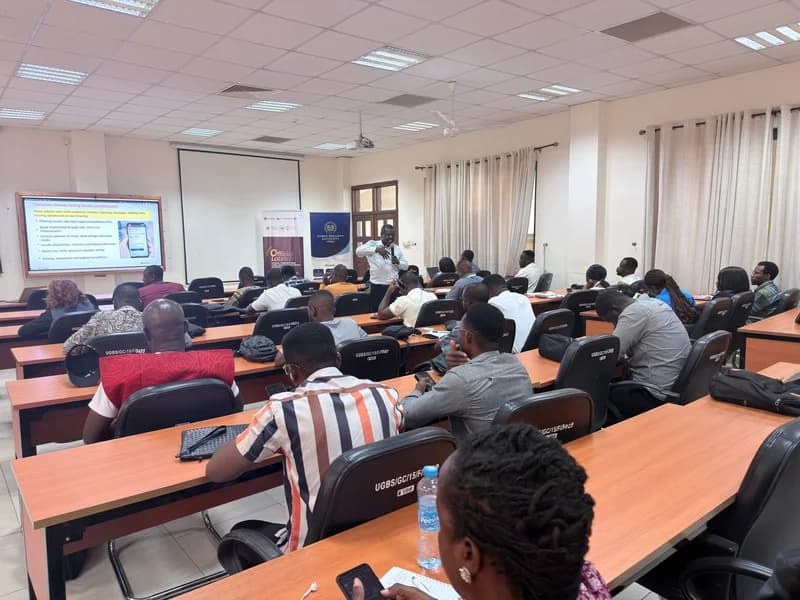
Professor Kofi Sarpong Adu-Manu, a prominent cybersecurity expert, has issued an urgent call to journalists and media organizations in Ghana to bolster their digital defenses against a rising tide of cyber threats. Speaking at the National Community Media Cyber Capacity Building Project (NCMCCBP) in Accra, Professor Adu-Manu warned that the increasing prevalence of phishing, malware, and account takeovers poses a significant risk to the integrity of newsrooms and the safety of confidential sources. He emphasized that in the modern digital landscape, cybersecurity is no longer just a technical concern but a fundamental component of editorial safety and professional ethics.
During the training session, which was supported by the Government of the Czech Republic and the Cyber Security Authority, Professor Adu-Manu detailed the diverse array of dangers facing media practitioners. These include ransomware attacks that can paralyze news operations and sophisticated spyware used to monitor journalistic activities. He cited a specific case of a journalist whose device was compromised by spyware, highlighting how such breaches can expose sensitive, unpublished stories and jeopardize the lives of whistleblowers. The expert noted that as journalists handle increasingly sensitive data, they become high-value targets for malicious actors seeking to suppress information or manipulate public discourse.
To mitigate these risks, the professor outlined a comprehensive set of security protocols that should be standard practice across the industry. Key recommendations include the mandatory implementation of two-factor authentication (2FA) on all accounts and the strict separation of personal and professional digital identities. Furthermore, journalists were advised to establish secure, pre-agreed communication channels before contacting sensitive sources to prevent interception. Professor Adu-Manu also stressed the necessity for media houses to develop robust incident response plans, ensuring that staff are prepared to act swiftly if a device or account is compromised.
The National Community Media Cyber Capacity Building Project aims to foster a culture of digital awareness among Ghanaian media practitioners to safeguard the public's right to information. By treating cybersecurity as a core pillar of journalistic integrity, media organizations can better protect their credibility and maintain the public trust essential for a functioning democracy. As the digital landscape continues to evolve, the expert concluded that ongoing training and the adoption of basic digital-security policies are vital steps in defending the press against increasingly sophisticated cyber-adversaries.
This story touches markets covered on Anansi Intelligence ↗.
More from technology
Continue exploring similar stories


