••
Minister Adjei Activates Flood Response as Government Toughens Regulatory Scrutiny in Housing and Mining Sectors
•2 min read•6 sources
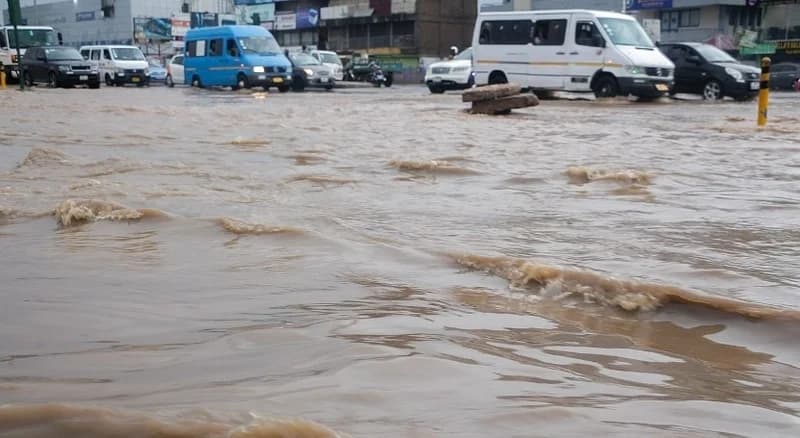
The Minister for Works, Housing and Water Resources, Kenneth Gilbert Adjei, has activated comprehensive emergency response measures following severe flooding across Accra and other parts of the country. In a series of interventions announced on June 6, 2026, the Ministry deployed assessment teams to provide relief items to affected residents and evaluate the damage to local infrastructure. The government has identified human activities—specifically unauthorized construction and improper waste disposal—as the primary drivers exacerbating these floods. Minister Adjei emphasized that flood mitigation is a collective responsibility, calling for stricter adherence to environmental regulations and urban planning laws to prevent future disasters.
As part of a long-term strategy to manage flood risks, the government is moving beyond immediate relief to active enforcement. Minister Adjei specifically announced a crackdown on illegal structures located in flood-prone areas, noting that buildings obstructing natural waterways will be removed. During an inspection of affected communities, the Minister highlighted the failure of the Dome Pillar Two bridge, which overflowed during recent rains. Engineers have been tasked with recommending infrastructure upgrades, including raising the bridge to facilitate better water flow, alongside ongoing efforts to desilt drains and improve urban drainage systems across the capital.
This shift toward more rigorous oversight is also reflected in the extractive sector, where the government is reinforcing compliance standards for the mining industry. Minister Emmanuel Armah Kofi Buah recently announced that the renewal of mining concessions will now face much tougher scrutiny. Addressing the Ghana Chamber of Mines, the Minister stated that both local and foreign companies must meet higher environmental, regulatory, and community standards before licenses are extended. This initiative is designed to ensure that the mining sector contributes to sustainable national development while operating within a more transparent governance framework.
Combined, these actions signal a broader government policy shift toward stricter regulatory enforcement to protect citizens and the environment. By tackling unauthorized urban development in Accra and tightening the requirements for mining concessions, the administration aims to create a more disciplined and investment-friendly environment. Moving forward, the government intends to balance its infrastructure investments with robust legal enforcement, urging the public and corporate entities to comply with national laws to mitigate environmental risks and ensure sustainable economic growth.
This story touches markets covered on Anansi Intelligence ↗.
More from politics
Continue exploring similar stories


