••
Adentan–Dodowa Road Infrastructure Delays Spark Respiratory Health Crisis Among Local Residents
•2 min read•3 sources
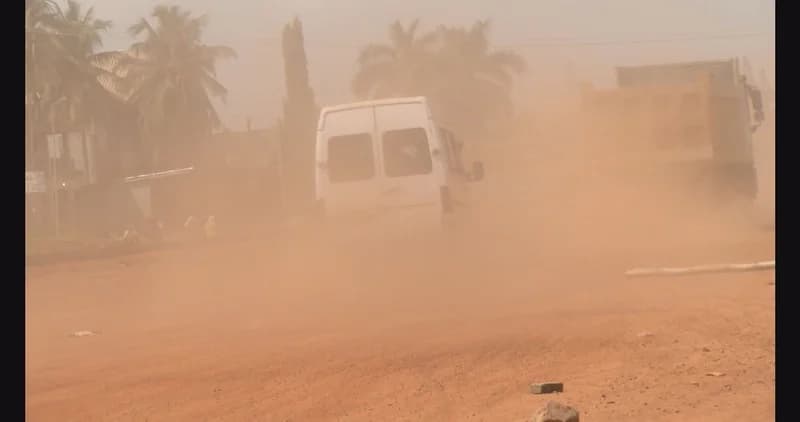
Residents living along the Adentan–Dodowa road corridor are facing a mounting health crisis as prolonged delays in a major government infrastructure project expose communities to hazardous levels of dust and air pollution. The road upgrade, which is a key component of the government's "Big Push" infrastructure program, was originally scheduled for completion over a three-year period starting in 2024. However, progress has stalled significantly due to missed payments to contractors, leaving vast stretches of unpaved surfaces that generate thick plumes of dust with every passing vehicle.
Health experts and medical professionals in the affected areas report a worrying increase in respiratory-related illnesses, including a sharp rise in asthma cases and other chronic pulmonary conditions. Local residents describe an environment where the air is constantly thick with pollutants, making daily life difficult and increasing the financial burden of medical treatments for families already struggling with the inconvenience of the construction. Beyond the immediate physical symptoms, the ongoing pollution is raising long-term public health concerns for children and the elderly, who are most vulnerable to the effects of poor air quality resulting from the abandoned construction sites.
The Minister for Roads and Highways has acknowledged the challenges facing the project and has reportedly directed the contractor to implement dust-suppression measures to mitigate the impact on surrounding communities. Despite these directives, community leaders and residents express deep frustration, arguing that intermittent watering of the road is insufficient and often neglected. They are calling for the government to settle outstanding payments to the contractor so that the project can reach completion, thereby addressing the root cause of the environmental hazard.
As the situation persists, the intersection of infrastructure development and public health remains a critical point of contention. While the Adentan–Dodowa road upgrade promises long-term economic benefits and improved connectivity, the current delays highlight the hidden human costs of stalled public works. Stakeholders emphasize that immediate government intervention is required not only to finish the road but also to provide support for the health challenges now deeply affecting the quality of life for thousands of Ghanaians living in the corridor.
This story touches markets covered on Anansi Intelligence ↗.
More from health
Continue exploring similar stories


