••
Greater Accra Facing Public Health Emergency as Illegal Waste Contaminates Weija Lake and Disposal Infrastructure Collapses
•3 min read•9 sources
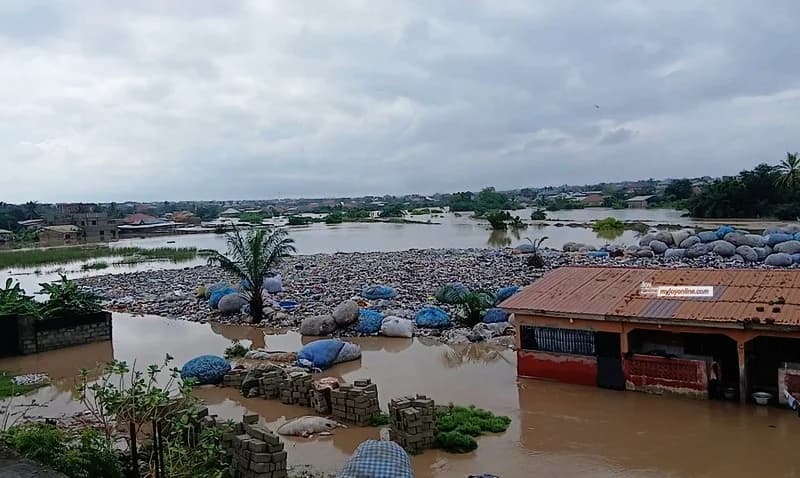
The Greater Accra Region is currently grappling with a severe environmental and public health crisis as hazardous waste from an illegal landfill has contaminated Weija Lake, the primary drinking water source for approximately 80% of Accra residents. Following recent floods, an unauthorized dumpsite located along the River Jei in the Ga South Municipality washed massive quantities of municipal, industrial, and electronic waste into the lake. Experts, including Dr. Naa Ayikailey Bruce-Vanderpuije, have warned that the water now contains dangerous heavy metals such as lead and cadmium, as well as various pathogens. These contaminants pose long-term health risks, including developmental damage in children, gastroenteritis, and increased cancer risks for adults. Local residents have reported unbearable odors and an influx of disease vectors like flies and mosquitoes, leading to urgent warnings to avoid tap water until safety can be confirmed through rigorous testing.
Compounding this environmental disaster is a systemic breakdown in waste management logistics across the capital. Over 500 refuse transport operators, primarily motor-tricycle (Aboboyaa) riders, have been stranded for hours in long queues due to the closure of major disposal facilities. The flooding of the Weija-Oblogo landfill and the closure of the Mortuary Road site have forced the majority of waste collectors to rely on the McCarthy Down disposal site, which is now severely overwhelmed. This bottleneck has caused a backlog along the Mallam–Kasoa Highway, increasing operational costs for collectors and raising fears of a spike in indiscriminate dumping as refuse continues to accumulate in populated urban areas.
Beyond the immediate threat to the water supply, environmental advocates are highlighting the broader ecological consequences of Ghana’s waste management failures. Abdul Na-eem Muniru, founder of the Ocean Harmony Project, recently cautioned that the plastic pollution crisis has progressed to the point where microplastics are entering the human food chain through fish consumption. As waste washes from illegal land sites into waterways and eventually the ocean, it disrupts marine ecosystems and compromises food security. This cycle of contamination underscores the interconnectedness of land-based sanitation and the long-term health of the Ghanaian population.
In response to these escalating challenges, local authorities and private partners have intensified sanitation efforts, such as the "Clean Up Accra" initiative. Led by Zoomlion Ghana Limited, the Ghana Police Service, and local municipal assemblies, these campaigns aim to de-silt gutters and remove accumulated waste to prevent further flooding and disease outbreaks. Richard Donkor, the Municipal Environmental Health Officer for Ayawaso North, emphasized that while these initiatives are vital, they require sustained community participation and stricter enforcement of environmental regulations to be effective. Moving forward, experts and residents alike are calling for immediate government intervention to identify alternative disposal sites, remediate the Weija Lake contamination, and overhaul the region’s waste infrastructure to prevent a total public health collapse.
This story touches markets covered on Anansi Intelligence ↗.
More from health
Continue exploring similar stories


