••
PRINPAG and WASH Journalists Network Demand Radical Urban Planning Reforms Following Accra’s Deadly June Floods
•2 min read•4 sources
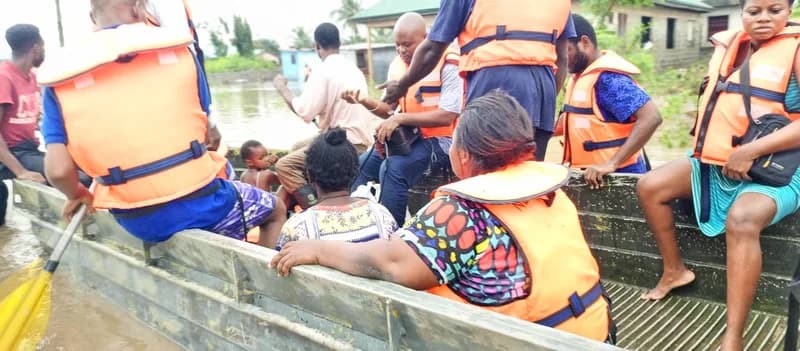
In the wake of devastating floods that struck Accra on June 29, the Private Newspapers and Online News Publishers Association of Ghana (PRINPAG) and the Ghana WASH Journalists Network (GWJN) are demanding an immediate overhaul of the nation's urban planning and flood management strategies. The disaster, which resulted in at least 34 fatalities and affected more than 38,800 residents, has sparked a national conversation on government accountability and the urgent need for resilient infrastructure. Both organizations have expressed deep condolences to the victims while criticizing the systemic failures and government inaction that allowed the perennial flooding to reach such a catastrophic scale.
PRINPAG President Mr. David Tamakloe emphasized that the current crisis requires more than temporary fixes; it necessitates a holistic approach to urban management. The association is advocating for a zero-tolerance policy regarding construction in flood-prone areas and is urging the government to rigorously enforce existing building codes. PRINPAG argues that the recurrent nature of these disasters is exacerbated by a lack of modern drainage infrastructure and a blatant disregard for environmental laws. To mitigate future risks, the association insists that authorities must prioritize the implementation of comprehensive urban designs that can withstand increasingly unpredictable weather patterns.
Adding to the call for action, the Ghana WASH Journalists Network (GWJN) identified poor planning, illegal developments, and outdated infrastructure as the primary drivers of the capital's flooding woes. The network is calling for permanent engineering solutions and the immediate protection of wetlands, which serve as natural drainage systems. GWJN also stressed the importance of conducting proper hydrological studies before embarking on road and construction projects to ensure that new developments do not inadvertently block water flow or worsen existing drainage issues. The network's stance highlights a growing demand for data-driven, long-term environmental stewardship over reactionary political responses.
Beyond governmental responsibility, media leaders are also calling for a significant attitudinal change among the Ghanaian public, particularly regarding waste disposal and environmental hygiene. PRINPAG and GWJN both stressed that citizen awareness is a critical component of flood mitigation, as blocked gutters and the destruction of natural waterways often stem from local activities. The media has been tasked with providing accurate reporting and safety education to help communities prepare for future events. Moving forward, the focus remains on whether the government will heed these calls for radical reform or if the capital will remain vulnerable to the next major downpour.