••
Adapt or Be Left Behind: Absa Bank Ghana Urges Young Professionals to Master AI Literacy
•3 min read•4 sources
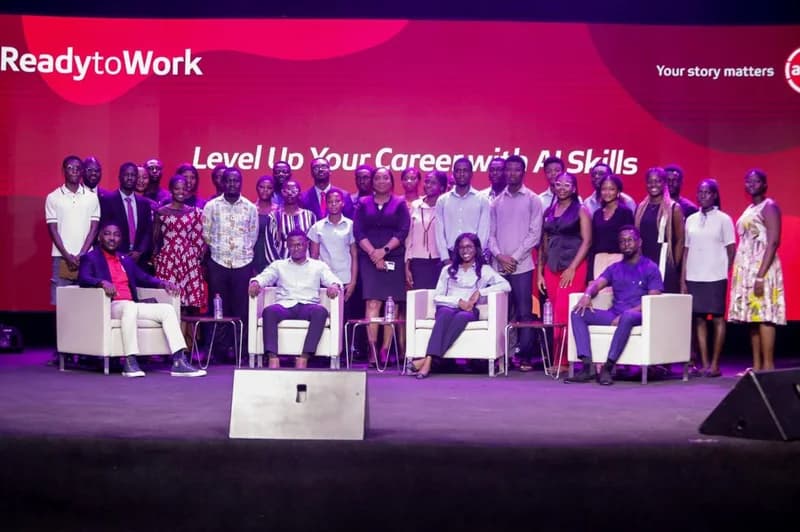
Artificial Intelligence (AI) has transitioned from a futuristic concept into an immediate career challenge for young professionals in Ghana. At a recent webinar organized by Absa Bank Ghana as part of its ReadytoWork program, experts emphasized that the modern job market now demands a high level of AI competence. The session underscored a critical reality for the evolving workforce: professionals must adapt to these technological advancements or risk being replaced by those who can effectively leverage AI to enhance their output. By integrating AI into their daily workflows, individuals can see a transformative impact on their productivity, often allowing one person to accomplish tasks that previously required multiple contributors.
During the discussions, industry experts clarified that AI literacy encompasses much more than just programming or coding. Nicole Nanka-Bruce highlighted that essential AI skills involve the ability to select the right tools for specific tasks and use them to augment human judgment rather than replace it entirely. Jeremiah Amlanu further noted that the definition of productivity is shifting; those who master AI can dramatically increase their efficiency, making them significantly more valuable to employers than their less tech-savvy peers. The consensus among the speakers was that AI should be viewed as an accelerative tool that works in tandem with human intelligence.
To guide the responsible and effective use of these technologies, Alexander Kobina Nsiah introduced the "3D framework," which stands for Draft, Diagnose, and Decide. This methodology encourages users to use AI to create an initial 'Draft,' 'Diagnose' the output for errors or biases, and finally 'Decide' on the final version, ensuring that accountability always rests with the human professional. This framework reinforces the idea that while AI provides the foundation, critical thinking and ethical oversight remain the responsibility of the user. This structured approach aims to prevent the over-reliance on automated systems without proper validation.
The webinar concluded with actionable steps for young Ghanaians looking to level up their careers. Key recommendations included mastering the art of prompt engineering, specializing in at least one specific AI platform to gain deep expertise, and maintaining a consistently critical perspective toward all AI-generated outputs. As part of Absa’s ReadytoWork initiative, this training is designed to equip the youth with both the technical and essential soft skills needed to thrive in a digital economy. By fostering AI literacy, the program aims to ensure that Ghana’s next generation of leaders remains at the forefront of global professional standards.
This story touches markets covered on Anansi Intelligence ↗.
More from technology
Continue exploring similar stories


