••
Abronye DC Detention Sparks Political Firestorm as NPP Warns of Unrest and Calls for Legal Reform
•3 min read•27 sources
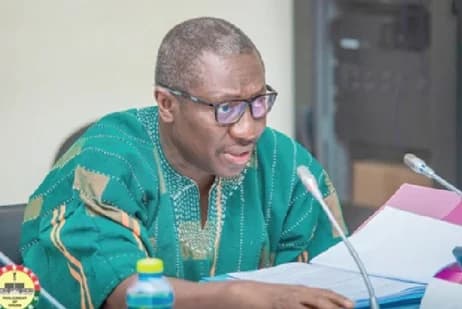
The detention of Kwame Baffoe, popularly known as Abronye DC, has triggered a significant political and legal crisis in Ghana. The New Patriotic Party’s (NPP) Bono Regional Chairman remains in the custody of the Bureau of National Investigations (BNI) following charges of offensive conduct conducive to a breach of peace and the publication of false news. The case, which stems from comments Baffoe allegedly made regarding a judge, saw his bail application denied by Circuit Court 9, leading to his remand. This decision has sparked a wave of condemnation from the opposition NPP, who characterize the arrest as a weaponization of state institutions to silence dissent and intimidate political opponents.
The judicial process itself has become a secondary flashpoint. Minority Leader Alexander Afenyo-Markin launched a blistering attack on the presiding judge, questioning the legal basis of the remand and labeling the detention unconstitutional. These remarks prompted a swift rebuke from the Ghana Bar Association (GBA), which condemned the Minority Leader’s comments as a threat to judicial independence. The GBA emphasized that while judicial decisions are subject to critique, such attacks from senior lawyers undermine the integrity of the legal system. In response, the Ghana Law Society has petitioned the General Legal Council to seek sanctions against Afenyo-Markin and MP Awuah Agyei Baffour for professional misconduct.
Simultaneously, concerns regarding the welfare of the detained chairman are mounting. Kojo Oppong Nkrumah, legal counsel for Baffoe, has raised alarms over his client’s deteriorating health and reported that legal representatives have been repeatedly denied access to him. Only his wife has been permitted a visit, confirming his declining physical condition. Private legal practitioner Martin Kpebu has reminded the state that the 1992 Constitution guarantees the right to healthcare even for those in custody, noting that authorities must act cautiously to prevent the further deterioration of a detainee's health, particularly in politically sensitive cases.
On the political front, the NPP has escalated its response by petitioning the international diplomatic community, alleging a "democratic backsliding" and a return to a "culture of silence" under the current administration. National Youth Organiser Salam Mustapha issued a stern warning, suggesting that continued harassment of party members could make the country "ungovernable" as the party mobilizes its support base. Amidst these tensions, legal experts such as Samson Lardy Anyenini are renewing calls for the repeal of Section 208 of the Criminal Offences Act. Anyenini described the law as a "colonial-era relic" that is frequently misused to suppress free expression, citing 16 cases of its application against journalists and activists in the last 18 months.
As the nation awaits the next court hearing scheduled for May 20, 2026, the case of Abronye DC has become a litmus test for the balance between free speech and the regulation of misinformation in Ghana. While the government maintains that the prosecution is a matter of law and order, the opposition maintains that it is a systemic effort to stifle criticism. The outcome of the bail application and the broader debate over Section 208 will likely have lasting implications for Ghana’s democratic environment and the relationship between the political parties ahead of future elections.
This story touches markets covered on Anansi Intelligence ↗.
Related topic
NPP (New Patriotic Party): Latest News →More from politics
Continue exploring similar stories


