••
Samuel Okudzeto Ablakwa announces Ghana's application for BRICS membership
•2 min read•1 source
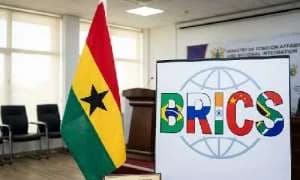
Ghana has formally applied to join the BRICS group of emerging economies, a move announced by the Minister for Foreign Affairs and Regional Integration, Samuel Okudzeto Ablakwa. Disclosed on October 6, 2026, the application marks a significant pivot in the nation's foreign policy and economic strategy. By seeking membership in the bloc—which currently includes Brazil, Russia, India, China, and South Africa, alongside several recently joined members—Ghana aims to diversify its international alliances and strengthen its standing within the Global South.
The application is designed to provide Ghana with access to alternative development financing and expanded investment opportunities. According to the government, this strategy allows the country to maintain its long-standing relationships with traditional Western partners while simultaneously exploring more independent avenues for growth. A central objective of the move is the promotion of local currencies in international trade, a step intended to reduce Ghana's dependence on foreign markets and minimize exposure to global currency fluctuations.
The announcement has drawn support from various international socialist and progressive movements, who describe the decision as a continuation of Ghana’s Pan-African legacy and an assertion of national sovereignty. Proponents argue that involvement with BRICS will enable the nation to exercise greater agency in its economic and political choices. This development occurs as the country emerges from a period of significant economic restructuring, signaling a more assertive role in global decision-making and a desire to bolster Africa's collective influence on the world stage.
As the application process moves forward, the government maintains that joining the bloc represents a mature foreign policy approach that prioritizes Ghana's strategic interests. The move is expected to enhance the nation's ability to negotiate on the global stage and secure its economic future. If successful, Ghana will join a growing list of nations seeking to redefine international power dynamics through increased cooperation among emerging economies.


