••
Abena Ampomaa asks husband for forgiveness over paternity of two children
•2 min read•1 source
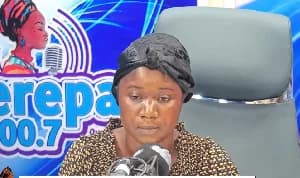
Abena Ampomaa, a resident of the Ashanti Region, has publicly appealed for forgiveness from her husband, Shaibu Mohammed, after a shocking revelation regarding the biological paternity of their children. Following 14 years of marriage, Ampomaa admitted that two of the couple's three children were fathered by other men during extramarital affairs. The admission has sparked significant conversation regarding the stability of long-term marriages and the complexities of domestic life.
Ampomaa provided details regarding the timeline of her marriage to Mohammed, which has spanned nearly a decade and a half. During this period, the couple established a life together and raised three children under the assumption they were a biological family unit. However, the recent confession clarifies that the biological reality differs from the public and private understanding of their family structure. Ampomaa's admission was framed as a plea for mercy, acknowledging the pain and betrayal her husband likely feels upon learning that two of the children he has supported are not his biological offspring.
The social implications of such a confession are profound within the Ghanaian cultural context, where family lineage and biological heritage are highly valued. This case highlights the ongoing discourse regarding marital trust and the emotional toll of paternity-related revelations on all parties, particularly the children who are central to the family unit. As the story develops, the focus remains on whether the couple will seek reconciliation through traditional mediation or if the revelation will lead to the permanent dissolution of their 14-year union.