••
The Dance of the Drums: Reflecting on Artistic Integrity and the Legacy of Okigbo and Soyinka
•3 min read•4 sources
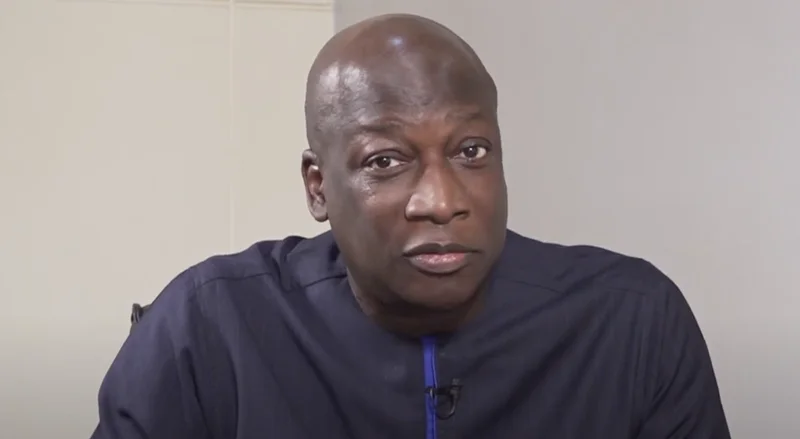
In an era increasingly dominated by shallow media discourse and partisan noise, the enduring legacy of African literary titans Christopher Okigbo and Wole Soyinka serves as a powerful reminder of the importance of artistic integrity. Recent reflections on their work explore the "confrontational spirit" and unyielding agency of these figures, who prioritized their creative vision over mass appeal or ideological conformity. The central premise—"those who understand the drums, let them dance"—highlights a philosophy where art is not a commodity for the many, but a profound expression of the human experience that demands active, often specialized, engagement.
Christopher Okigbo, one of Africa's most revered poets, famously asserted that his poetry was intended for poets, not for the general populace. By rejecting the pressure of populism, Okigbo emphasized that the value of art transcends popular opinion and maintains its own internal logic. Similarly, Nobel Laureate Wole Soyinka has faced decades of scrutiny from various ideological camps. Critics ranging from Marxists to feminists have questioned his portrayal of Yoruba mythology and the depiction of women in his narratives. However, Soyinka’s response has consistently been one of defiance; he maintained that his creativity was rooted in his own experience and agency, often challenging his critics to create their own narratives rather than dictating the terms of his.
The current state of media discourse in Ghana and across the continent is often contrasted with the vibrant, intellectually rigorous debates of the past. There is a palpable lament for the decline of substantive engagement with the arts, as contemporary platforms are frequently filled with trivial partisan noise. This shift away from deep literary critique has led to a yearning for a return to an environment where creativity is celebrated for its ability to enrich society. The lack of vibrant literary discourse is seen as a loss for the collective intellectual health of the public.
Ultimately, there is a call for a resurgence of artistic appreciation among the youth. By cultivating a love for the arts and learning to understand the "drums" of creative expression, younger generations can find a source of hope and societal enrichment that transcends modern superficiality. The stories of Okigbo and Soyinka are presented not merely as historical footnotes, but as essential blueprints for maintaining integrity in an age of conformity. Recognizing the societal value of creativity is essential for fostering a culture that values depth, nuance, and the courage to stand by one's own truth.
This story touches markets covered on Anansi Intelligence ↗.
More from entertainment
Continue exploring similar stories


