••
Crisis in Italian Football: FIGC President, Gattuso, and Buffon Resign After World Cup Exit
•3 min read•5 sources
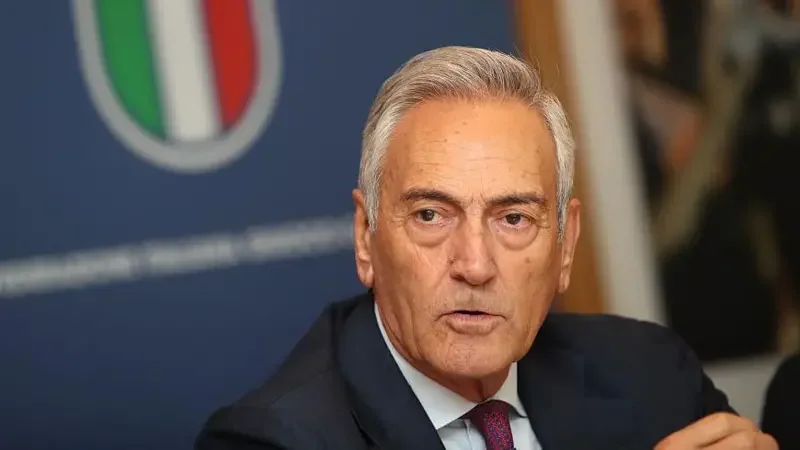
Italian football has been plunged into a state of flux following a mass exodus of its top leadership and technical staff. Gabriele Gravina, the President of the Italian Football Federation (FIGC), and national team manager Gennaro Gattuso have both resigned after the Azzurri failed to qualify for their third consecutive FIFA World Cup. The double blow was compounded by the resignation of legendary goalkeeper Gianluigi Buffon from his role as delegation head. The collective departures follow a devastating play-off final defeat to Bosnia-Herzegovina, where Italy’s campaign ended in a 4-1 penalty shootout loss, marking one of the darkest periods in the nation’s illustrious football history.
Gabriele Gravina, who took office in October 2018, leaves a complicated legacy characterized by the highs of a Euro 2020 championship victory and the lows of successive World Cup qualification failures. Despite the European triumph, the pressure for systemic change became insurmountable following the latest setback. Similarly, Gennaro Gattuso’s tenure as manager ended abruptly after only eight matches. Having taken over from Luciano Spalletti in June, Gattuso managed to win six games but stated that stepping down was a matter of responsibility toward the national jersey. Buffon echoed these sentiments, describing his own departure as an essential act of accountability for the state of the national team.
The search for a new leadership structure is already underway, with the FIGC scheduling a general election for a new president on June 22. Early reports suggest that Giovanni Malago is emerging as a leading candidate to navigate the federation through its current crisis. However, the internal leadership vacuum is only part of the problem. UEFA President Aleksander Ceferin has issued a stern warning that Italy risks losing its co-hosting rights for the Euro 2032 tournament. Ceferin emphasized that without immediate and significant upgrades to the country's aging football infrastructure and stadiums, the nation may no longer be fit to host major international competitions.
This period of transition represents a critical crossroads for the four-time World Cup winners. As the FIGC prepares for its June elections, the focus must shift from short-term managerial fixes to long-term structural reforms. The twin challenges of restoring the national team's competitive edge on the world stage and modernizing the nation’s facilities will define the mandate of the next administration. For a football-obsessed nation like Italy, the coming months will be pivotal in determining whether this crisis serves as a catalyst for genuine renewal or a precursor to further decline.
This story touches markets covered on Anansi Intelligence ↗.
Live rates
Euro to cedi rate →More from sports
Continue exploring similar stories


