••
India Scraps Radar Sensor Licensing to Accelerate Adoption of Vehicle Safety Technology
•2 min read•1 source
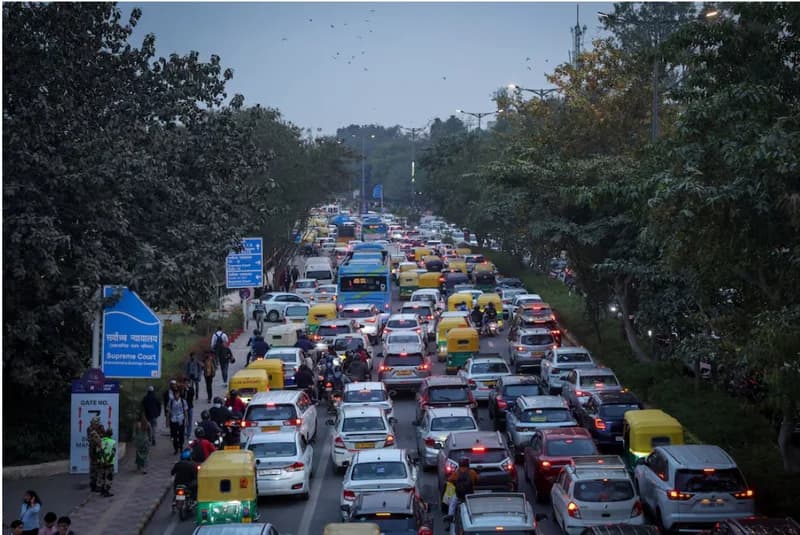
India has officially scrapped licensing requirements for radar sensors operating in the 77GHz to 81GHz frequency range, a significant regulatory shift aimed at modernizing the nation's automotive sector and improving road safety. This move is designed to facilitate the rapid adoption of advanced driver-assistance systems (ADAS) and autonomous driving technologies by removing previously cumbersome bureaucratic hurdles. By facilitating these technological advancements, the Indian government hopes to address the country's high road accident rates, which resulted in more than 177,000 fatalities in 2024.\n\nThe decision aligns India's automotive standards with global benchmarks, benefiting major domestic manufacturers including Maruti Suzuki, Tata Motors, and Mahindra & Mahindra. Global technology and component suppliers such as Bosch and Continental are also set to benefit, as they can now more easily deploy sensors critical for life-saving features like automatic emergency braking, collision avoidance, and adaptive cruise control. These radar-based systems are essential for reducing accidents caused by human error, particularly in India's complex and high-density traffic environments.\n\nPreviously, the requirement for individual licenses for these specific frequencies acted as a barrier to the widespread rollout of high-tech safety gear, often limiting such features to luxury vehicles. With the removal of these restrictions, the cost and complexity of integrating ADAS are expected to decrease, making advanced safety technology more accessible to the mass market. This policy change represents a pivotal step toward the future of mobility in India, potentially saving thousands of lives and setting the stage for more advanced autonomous vehicle testing and deployment in the coming years.
This story touches markets covered on Anansi Intelligence ↗.
More from technology
Continue exploring similar stories


