••
Solar Energy Gains Momentum in Ghana as a Sustainable Solution to Electricity Instability
•2 min read•1 source
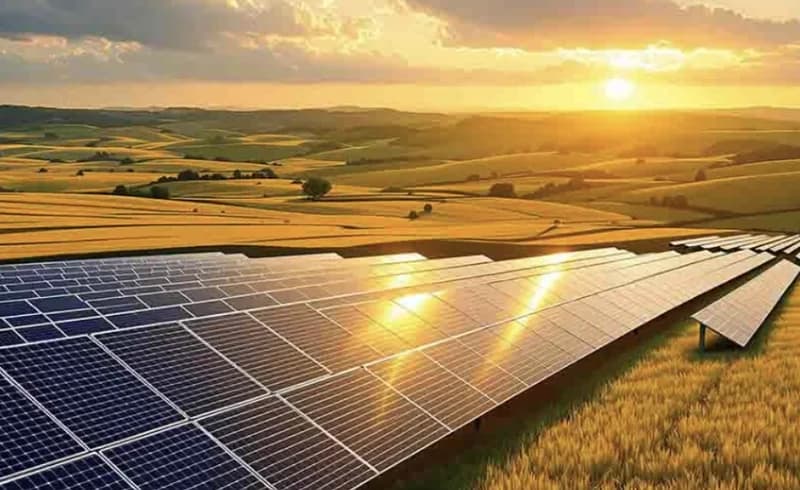
In Ghana, the recurring challenge of power outages, popularly known as 'dumsor,' continues to disrupt productivity across both residential and commercial sectors. Amid these fluctuations in the national grid, solar energy is increasingly being positioned as a transformative technological solution. Leveraging Ghana's abundant tropical sunlight, solar power systems—comprising solar panels, inverters, and storage batteries—offer a pathway to consistent electricity, allowing users to significantly reduce their reliance on traditional utility providers and mitigate the impact of frequent blackouts.
The technical architecture of a modern solar setup is designed to capture solar radiation and convert it into usable electrical current for immediate consumption. By integrating sophisticated storage batteries, these systems ensure that energy gathered during peak daylight hours remains available for use during the night or during grid failures. This shift toward self-generation not only provides a hedge against the rising costs of grid-based electricity but also fosters a greater sense of energy independence. As technology matures, the ability for homes and businesses to operate autonomously from the grid is becoming a practical reality rather than a niche luxury.
Despite the long-term economic and environmental benefits, the transition to solar energy remains a significant decision for many households. The primary barrier is the high initial setup cost, which includes the purchase of high-quality photovoltaic panels and deep-cycle battery management systems. Experts emphasize that the 'right' system is highly dependent on individual energy consumption patterns, requiring a tailored approach to installation to ensure efficiency. However, as global prices for solar components continue to decline and local expertise in renewable energy grows, the return on investment is becoming increasingly attractive for the average Ghanaian consumer.
The future of Ghana’s energy landscape appears bright as solar technology advances and becomes more accessible to the general public. Beyond individual benefits, widespread solar adoption contributes to national sustainability goals by reducing the carbon footprint of the energy sector. For Ghanaians looking to escape the cycle of power instability, the transition to solar represents more than just a backup power plan; it is a strategic investment in reliable and clean infrastructure. As the conversation around energy security evolves, solar power is set to play a pivotal role in powering Ghana’s digital and economic future.
This story touches markets covered on Anansi Intelligence ↗.
More from technology
Continue exploring similar stories


