••
Ghana’s Business Landscape Faces Price Hikes and Policy Shifts Amid Infrastructure and Energy Reforms
•3 min read•18 sources
The Ghanaian business environment is undergoing a period of significant transition as new levies, global supply chain disruptions, and infrastructure initiatives reshape several key sectors. Consumers are bracing for a sharp increase in the price of sachet water, effective April 6, 2026. The National Association of Sachet and Packaged Water Producers (NASPAWAP) has set the new retail price at a maximum of GH¢15 per bag, with ex-factory prices at GH¢8. This adjustment is driven by a 20% surge in the cost of packaging materials, primarily polymers, which have become scarce due to geopolitical tensions in the Middle East. Simultaneously, the aviation sector has seen an immediate rise in airfares following the implementation of the Airport Infrastructure Development Levy. Domestic travelers now face an additional GH¢100 per ticket, while international passengers will pay between $50 and $100 more, sparking concerns about Ghana's regional competitiveness despite the government's aim to fund vital airport upgrades.
In the energy and petroleum sectors, strategic collaborations and market competition are intensifying. The National Petroleum Authority (NPA) and the 24-Hour Economy Authority have signed a Memorandum of Understanding to drive continuous operations in the downstream petroleum sector, aimed at boosting job creation and economic efficiency. In the retail market, Star Oil achieved a record sales milestone of 90.4 million litres in March 2026, even as it lowered prices to match the NPA’s price floor of GH¢13.30 for petrol. However, tension is brewing in the LPG market as the Chamber of LPG Marketing Companies (COMAC) threatens to halt deliveries from Atuabo. They are demanding that the NPA address a GH¢1.00/kg price disparity between Atuabo and Tema-based suppliers to prevent grounding their operations. Amidst these developments, David Azupio, CEO of Sotei Energy, was named ‘Outstanding Personality of the Year’ for his leadership in energy delivery.
The utility sector is also seeing a push for modernization and revenue protection. Kofi Nsiah-Poku, President of the Association of Ghana Industries (AGI), has formally urged the Electricity Company of Ghana (ECG) to introduce ‘reverse metering.’ This system would allow businesses with excess solar energy to feed power back into the national grid, optimizing private sector investments in renewable energy. Meanwhile, ECG has taken a firm stance on revenue assurance by blocking over 15,000 meters in Nsawam and Amasaman that were obtained through unapproved channels, requiring affected customers to pay over GH¢2,000 in fees for service restoration. These enforcement actions coincide with frustrations in areas like Ashaiman, where residents recently suffered a 48-hour power outage that caused significant losses for local businesses.
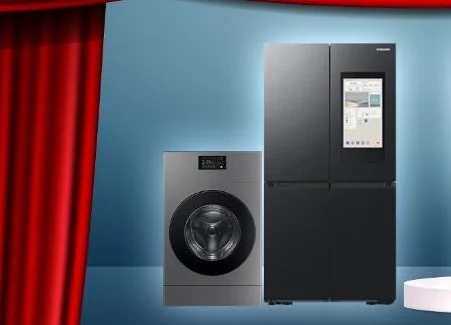
Adding to the shifts in the consumer market, Samsung Ghana has extended its warranty for refrigerators and washing machines to 24 months to boost consumer confidence, while the Chartered Institute of Logistics and Transport (CILT) has issued a safety warning against unauthorized vehicle modifications. Collectively, these developments reflect a complex economic period where the drive for infrastructure funding and operational efficiency is being balanced against rising production costs and consumer inflation. Moving forward, the success of these reforms will depend on the government's ability to maintain price stability in the petroleum and utility sectors while ensuring that new levies do not dampen demand in the aviation and manufacturing industries.
This story touches markets covered on Anansi Intelligence ↗.
More from business
Continue exploring similar stories

