••
Ghana's Economic Shift: 24-Hour Economy Bill Passes Amid Local Farming Crisis and Global Retail Restructuring
•3 min read•3 sources
Ghana’s economic landscape is undergoing a significant transformation with the parliamentary passage of the 24-Hour Economy Authority Bill, 2025. This landmark legislation has been strongly commended by the Association of Ghana Industries (AGI), which views it as a pivotal step toward enhancing national productivity and fostering an export-led economy. AGI President Kofi Nsiah Poku highlighted the bill's potential to drive job creation and export diversification. While there are concerns regarding short-term government revenue reductions due to tax incentives, the AGI maintains that the long-term gains in local production outweigh these costs. The association has urged the government to integrate existing projects like the One District, One Factory initiative into this new framework to maximize industrial output.
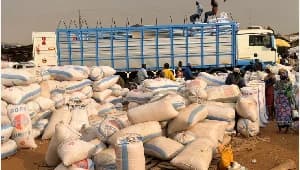
Despite this legislative optimism, the agricultural sector faces immediate challenges as maize farmers in the Atebubu/Amantin Municipality report a devastating drop in commodity prices. The price of a bag of maize has reportedly plummeted from GH¢1,200 to GH¢400, a decline that has left many farmers burdened with debt and threatens the viability of future production. Dickson Williams Agyei, chairman of the local farmers' association, has called for urgent government intervention. The farmers are seeking support through subsidized input costs and improved access to seedlings, while also urging the state to explore export opportunities to stabilize prices and prevent potential food shortages in the region.
On the international stage, the business environment remains volatile as major corporations restructure to meet changing consumer demands. The U.S. retailer Target has announced the cutting of approximately 500 jobs across its regional offices and distribution centers. Under the leadership of new CEO Michael Fiddelke, the company aims to reallocate resources to enhance the in-store customer experience and optimize staffing hours. This move follows previous significant job cuts and reflects a broader trend of retail giants adjusting their operations in response to shifting consumer spending habits and external social pressures.
These combined developments highlight a complex global and local economic environment. For Ghana, the success of the 24-Hour Economy will depend not only on industrial policy but also on the government's ability to protect its agricultural base from extreme price volatility. As the country moves toward a more continuous production cycle, the integration of fiscal incentives with practical support for local producers will be essential for sustainable growth. Meanwhile, the restructuring seen in global retail serves as a reminder of the constant need for operational agility in an increasingly unpredictable market.
This story touches markets covered on Anansi Intelligence ↗.
More from business
Continue exploring similar stories


