••
Ghana’s Cultural Renaissance: National Theatre Unveils 2030 Vision Amidst Heritage Revivals and Industry Milestones
•2 min read•5 sources
Ghana’s creative and cultural landscape is poised for a significant transformation following the launch of the National Theatre’s ambitious five-year strategic plan for 2026–2030. The roadmap, unveiled with the support of the Ministry of Tourism, Culture and Creative Arts, prioritizes digital innovation, financial sustainability, and the preservation of Ghana's rich heritage. Central to this vision is the "Stages of Possibility" global fundraising initiative, designed to bolster infrastructure and fund outreach. Key projects under the plan include the establishment of a National Theatre Academy for talent incubation and the adoption of green production practices, aiming to position the institution as a modernized, inclusive hub for the creative economy.
Complementing these institutional shifts is a renewed focus on cinematic and theatrical heritage. Renowned actor and director Fiifi Coleman has announced a remake of the 1970 classic film "I Told You So," scheduled for release in March 2027 to coincide with Ghana’s 70th independence anniversary. Originally directed by Egbert Adjesu, the film is celebrated for its poignant social commentary. To build momentum, a stage version embracing the traditional "concert party" style is currently touring the country, with recent performances in Kumasi offering a bridge between the historical significance of the original work and the appreciation of a new generation.
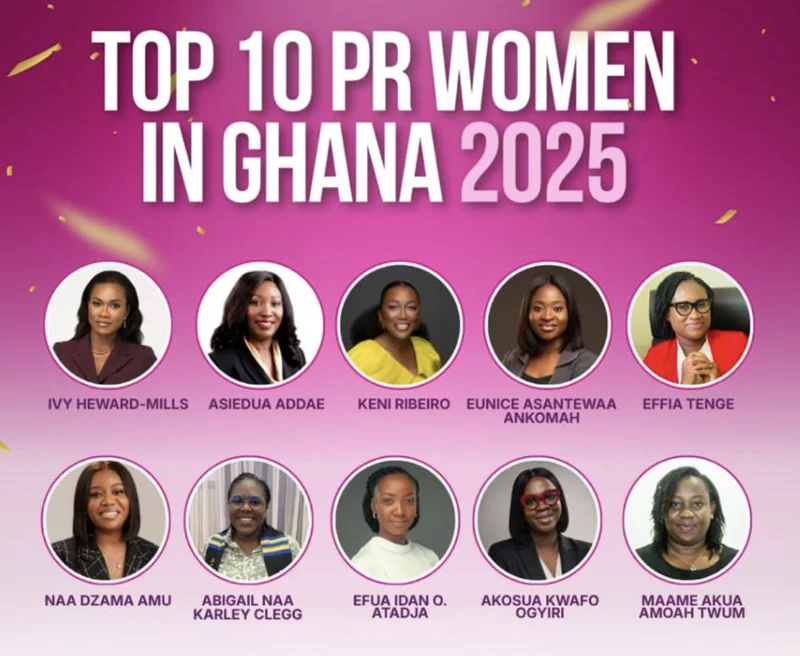
The momentum within the creative sector is further evidenced by the recognition of professional excellence and community engagement. Women in PR Ghana (WiPR) recently unveiled its "Top 10 Women in PR" for 2025, celebrating its ninth year of honoring leaders like Ivy Heward-Mills and Asiedua Addae. This initiative highlights the growing influence of women in shaping communication and mentorship within the industry. Simultaneously, the success of grassroots events like IndomieFest Accra 2026 demonstrates the vibrant appetite for family-oriented cultural celebrations, combining music and community bonding.
These diverse developments—from strategic institutional planning at the National Theatre to the celebration of individual talent and classic revivals—signal a robust future for Ghana’s cultural sector. By fostering partnerships and embracing digital transformation, the industry is set to increase sustainability, boost tourism, and showcase Ghana’s cultural heritage more effectively on the global stage. Stakeholders remain optimistic that these initiatives will create jobs and foster long-term growth within the creative economy.
This story touches markets covered on Anansi Intelligence ↗.
Related topic
Fiifi Coleman: Latest News & Updates →More from entertainment
Continue exploring similar stories


