••
Ghana Targets Manufacturing Hub Status in West Africa as Kwahu Business Forum Drives Industrial Transformation
•3 min read•23 sources
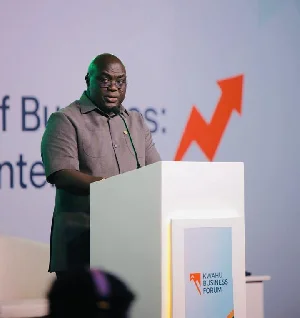
The Kwahu Business Forum 2026 has concluded with a powerful call for Ghana to reinvent itself as West Africa's premier manufacturing hub. Chief of Staff Julius Debrah, representing the government, emphasized a strategic shift from a resource-exporting economy to one rooted in value addition and industrial growth. Attended by over 1,000 participants, including President John Dramani Mahama and top industry executives, the three-day event at the Kwahu Convention Centre centered on the theme 'The Future of Business: The Role of the Financial Sector.' The forum aimed to bridge the gap between policy and practice, positioning manufacturing as the primary engine for sustainable economic development and a vital solution to the country’s escalating youth unemployment crisis.
Mr. Debrah argued that manufacturing must anchor Ghana’s growth agenda, moving beyond 'inspiration rhetoric' to provide tangible job opportunities for the youth. He urged the private sector to transition from short-term profit-seeking to long-term resilient thinking, emphasizing that industrialization will strengthen local supply chains and improve export competitiveness. Alongside industrialization, the Chief of Staff highlighted mentorship as a critical economic strategy rather than mere charity. He called on established entrepreneurs to guide the next generation with humility and discipline, asserting that such relationships are essential for building robust institutions and fostering the innovation necessary to navigate global challenges like inflation and supply chain disruptions.
The financial sector's role was a major focal point, with Absa Bank Ghana’s Kobla Nyalete announcing favorable lending conditions for SMEs. Nyalete revealed that businesses could access credit at rates between 12% and 14%, encouraging entrepreneurs to present viable projects for funding. However, this optimistic outlook was met with caution by Minority Leader Alexander Afenyo-Markin, who warned that entrepreneurship in Ghana has become a 'punishment' due to high utility tariffs, excessive taxation, and real-world interest rates which some claim remain as high as 25%. Afenyo-Markin criticized the current economic environment for stifling small businesses and called for more consultative policymaking to alleviate the financial burdens on local enterprises.
The forum served as a critical platform for high-level engagement, featuring masterclasses, networking sessions, and a presidential dinner hosted by President Mahama to foster direct dialogue between the state and private sector leaders. The consensus from the event suggests that while the government is committed to creating a supportive infrastructure and policy framework—including reliable energy and macroeconomic stability—the private sector must also formalize and innovate to remain competitive. As Ghana seeks to lead the sub-region in manufacturing, the success of this transformation will depend on the effective implementation of industrial policies and continuous collaboration between financial institutions and the entrepreneurial community.
This story touches markets covered on Anansi Intelligence ↗.
Related topic
John Mahama: Latest News & Updates →More from business
Continue exploring similar stories

