••
Ghana Health Sector Update: Ministry Issues Ebola Alert and Announces New Training Admissions
•3 min read•5 sources
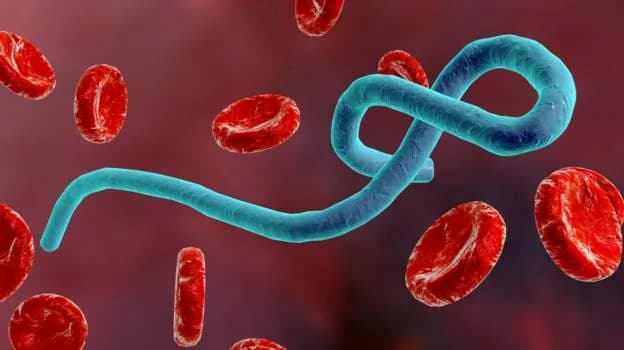
The Ministry of Health in Ghana has officially issued a high-level alert following the World Health Organization’s (WHO) declaration of the Ebola outbreak in the Democratic Republic of the Congo and Uganda as a Public Health Emergency of International Concern (PHEIC). While no cases of Ebola have been recorded within Ghana or the wider West African sub-region, the Ministry is urging citizens to remain calm yet highly vigilant. The advisory emphasizes the critical importance of personal hygiene, specifically recommending frequent handwashing and the mandatory provision of hand sanitizers at all public events. Health officials have stressed that early detection is vital, advising anyone experiencing symptoms to report to the nearest health facility immediately to prevent any potential spread of the disease.
To ensure a robust national response, the Ministry of Health is actively collaborating with the Ghana Health Service (GHS) and various international health partners to enhance surveillance at points of entry and within local communities. A significant part of this effort involves a public appeal to refrain from spreading misinformation, which can cause unnecessary panic and hinder official health interventions. By strengthening emergency preparedness and response protocols, the Ministry aims to create a safety net that protects the population from cross-border health threats while maintaining essential health services across the country.
In a parallel move to strengthen the long-term capacity of the nation's healthcare system, the Ministry has also announced the opening of admissions for public health training institutions for the 2026/2027 academic year. The online application portal is scheduled to open on May 20, 2026, and will remain accessible until June 12, 2026. Prospective students are required to purchase application vouchers for GH₵150 and provide essential identification, including their Ghana Card numbers. This recruitment drive is part of a broader strategy to ensure a steady pipeline of qualified health professionals who can support the nation's evolving medical needs and emergency response capabilities.
Complementing these administrative and emergency measures is a renewed focus on mental health advocacy led by regional health authorities. Dr. Fred Adomako-Boateng, the Ashanti Regional Health Director, has publicly challenged the stigma surrounding mental health conditions, asserting that such issues are medical in nature rather than spiritual curses. With schizophrenia, epilepsy, and depression identified as the most prevalent conditions in the Ashanti region, health leaders are calling for increased community support and early diagnosis. By promoting an environment of acceptance and utilizing available resources for treatment, the health directorate aims to integrate mental health into the broader public health conversation, ensuring that no facet of citizen wellbeing is neglected.

