••
Ghana's Gold Sector Overhaul: State to Take Over Damang Mine as Gold Board Launches Nationwide Traceability System
•3 min read•10 sources
The Ghanaian government is preparing for a significant shift in its mining landscape with the planned takeover of the Damang Mine and the introduction of a rigorous new tracking system for the gold trade. Effective April 18, 2026, the state will assume control of the Damang Mine from Abosso Gold Fields Limited, a move triggered by the government's decision to deny a lease renewal. This transition is part of a strategic effort to secure improved long-term returns from national mineral resources, with the mine currently holding an estimated 3.55 million ounces of gold valued at approximately $2.3 billion. Potential expansions could further increase this output to 5.5 million ounces, with production expected to peak in 2035.
Parallel to this asset acquisition, the Gold Board is launching a comprehensive regulatory crackdown to eliminate illegalities in the small-scale mining sector. CEO Sammy Gyamfi has announced a "traceability push" aimed at ensuring every gram of gold produced in Ghana is responsibly sourced. Under this new regime, a nationwide tracking system will monitor gold from its origin to the point of sale. The initiative mandates that all individuals and firms involved in gold purchasing must hold valid licenses and adhere to strict conditions, including buying exclusively from licensed miners. Gyamfi warned that the board has formalized these trade channels to enable strict enforcement, and any buyer operating outside these approved systems faces criminal prosecution under the Gold Board Act.
These developments reflect a broader African trend toward resource nationalism and increased local revenue sharing, mirroring recent financial strategies seen in Mozambique and Nigeria. In Ghana, the government has specifically limited tenders for strategic mining assets to entirely local companies to enhance domestic ownership. While international firms continue to vie for assets amid high global gold prices, the Ghanaian state is prioritizing the integration of artisanal miners into the formal sector. A formal rollout of the new formalization program and traceability solution is expected to be announced soon, with high-level involvement from the President.
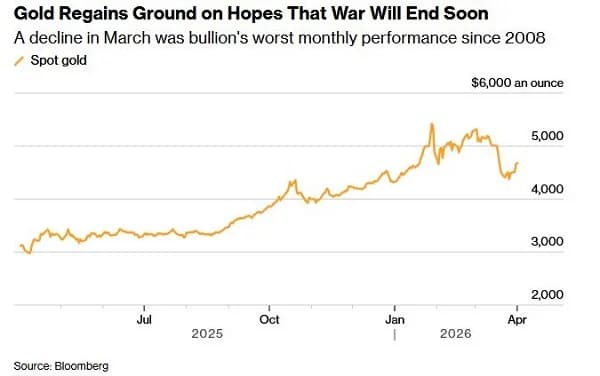
Beyond regulatory compliance, the transition at the Damang Mine is being managed to ensure economic stability and job security for approximately 933 employees. The government plans to rely on ore from the Rex stockpile during the initial four months of state operation to maintain production levels. This aggressive restructuring of the gold sector comes at a vital time for the national economy; despite ongoing fuel price pressures, Ghana has seen positive economic indicators, including a drop in inflation to 3.3%, bolstered by the strong performance of gold on the international market.
This story touches markets covered on Anansi Intelligence ↗.
Live rates
Ghana gold price →More from business
Continue exploring similar stories

