••
Tragedy on Ghana’s Roads: Fatal Crashes Mar Easter Festivities Amid Intensified Safety Enforcement
•3 min read•10 sources
The Easter festivities in Ghana have been overshadowed by a series of tragic road accidents, resulting in at least nine fatalities and dozens of injuries across the country. On Good Friday, April 3, 2026, two major collisions in Accra and the Kintampo Municipality highlighted the persistent dangers of holiday travel. In Kwashieman, Accra, a collision involving a Grand Bird passenger bus traveling from Takoradi and a truck loaded with onions and yams left two people dead and 28 others injured. The accident occurred around 4:30 a.m. when the bus attempted to turn toward Sowutuom and was struck by the speeding truck, which reportedly moved through an amber light. The impact was so severe that the truck was pushed into a group of nearby pedestrians, prompting a massive rescue operation by the National Ambulance Service.
Simultaneously, a horizontal collision near Babatokuma in the Kintampo Municipality claimed seven lives and left several others with critical injuries. This crash involved a passenger bus and a truck carrying tomatoes, leading to a complex rescue mission to extract trapped passengers. In a separate incident at Adidome Dorfor, a potentially catastrophic disaster was averted when a fuel tanker carrying petrol overturned. The Adidome Fire Station responded within minutes, using foam concentrate to cool the vehicle and prevent an explosion, ensuring the safety of the driver and residents. These incidents have put a significant strain on emergency services, though local residents have praised the swift and professional response of the National Ambulance Service and the Ghana Fire Service in managing the scenes.
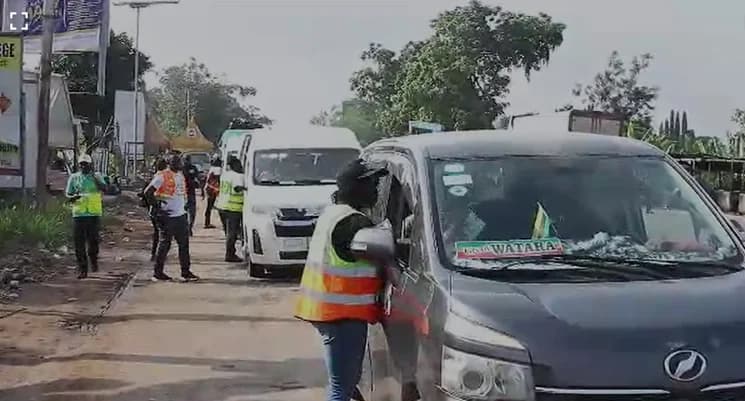
In response to the surge in traffic and accidents, the National Road Safety Authority (NRSA) has intensified its enforcement and educational campaigns along the Accra–Kumasi highway. Officials have been deployed to high-risk zones such as Apedwa, Bunso Junction, and Osino to monitor speed limit compliance and ensure the use of seat belts. Alexander Ayatah of the NRSA emphasized that road safety is a collective responsibility, noting that certain stretches of the highway are historically prone to accidents during holiday periods. These efforts are being conducted in collaboration with the police to analyze accident data and implement real-time interventions to protect commuters.
Adding to the regulatory warnings, the National Insurance Commission (NIC) has cautioned drivers against the practice of overloading, which is common during the festive season. David Kwame Afenyo, the Volta/Oti Manager of the NIC, warned that overloading constitutes a breach of insurance terms and can lead to the voiding of policies. This means that in the event of an accident, drivers and owners could be denied compensation. As investigations into the Good Friday crashes continue, authorities are urging motorists to adhere to safety protocols, maintain professionalism, and treat their vehicles as workplaces to ensure a safer conclusion to the Easter holidays.
Related topic
Ghana Fire Service Recruitment: Latest News Today →
