••
Ghana’s Entertainment and Lifestyle Shift: Celebrity Rebranding, Health Secrets, and the Great Hair Debate
•3 min read•8 sources
The Ghanaian entertainment and lifestyle landscape is undergoing a period of significant personal and professional evolution, as prominent figures and the general public alike redefine their identities. Socialite and actress Akuapem Poloo recently shared the positive impact of her decision to rebrand, revealing that quitting her public twerking habit four years ago has led to increased respect from influential personalities and more lucrative corporate engagements. However, her transition has not been without challenges; she recently found herself clarifying her association with two men arrested for gold theft. Poloo explained that the suspects were merely customers who visited her shop, and she expressed frustration at social media speculation linking her to their alleged criminal activities.
In the music industry, superstar Black Sherif and Hiplife legend Okyeame Kwame have opened up about the philosophies guiding their respective paths. Black Sherif has announced a shift in his approach to mentorship, stating he no longer provides direct advice to emerging artists. He believes that the struggles unique to each artist's journey are essential for building authentic character and resilient artistry, favoring self-discovery over external guidance. Meanwhile, Okyeame Kwame, who is preparing to celebrate his 50th birthday on April 17, has attributed his remarkably youthful appearance to a disciplined health regimen. His routine includes a strictly plant-based diet, high hydration, and a firm rule against eating after 5:00 PM, suggesting that managing cravings with warm water or dark chocolate is key to maintaining fitness.
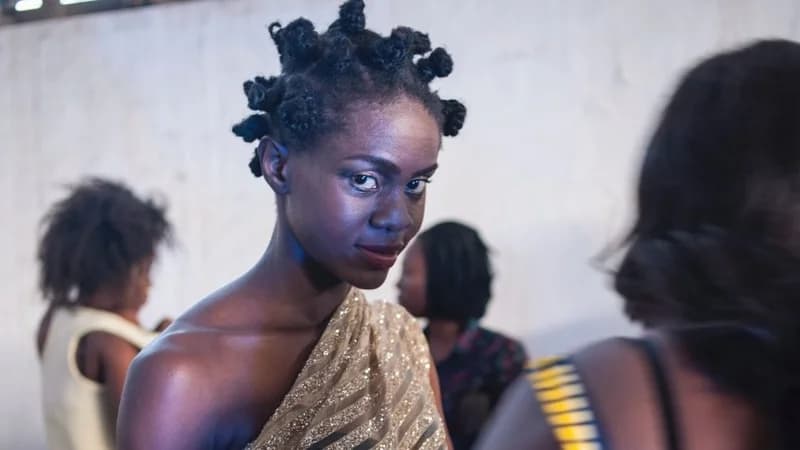
Beyond the lives of celebrities, a broader cultural conversation is unfolding among Ghanaian women regarding hair care and personal identity. There is currently a visible divide between those embracing natural hair and those preferring chemical relaxers. While enthusiasts of the natural hair movement, such as Lawrencia Braimah, cite scalp sensitivities and a desire for authenticity as primary motivators, others like Mary Apeku argue that permed hair offers indispensable convenience and ease of management. Hairdressers note that this trend reflects a complex balance between health concerns, time constraints, and evolving standards of beauty and comfort.
These diverse narratives highlight a common theme of intentionality within Ghanaian society. From Akuapem Poloo’s strategic image makeover and Okyeame Kwame’s dietary discipline to Black Sherif’s belief in the power of lived experience, individuals are increasingly making choices that prioritize long-term respect, health, and authenticity. As these conversations continue to dominate social media and public discourse, they reflect a wider shift toward personal empowerment and the questioning of traditional social expectations in both the private and professional spheres.
This story touches markets covered on Anansi Intelligence ↗.
Live rates
Ghana gold price →More from entertainment
Continue exploring similar stories


