••
Airfares Rise as Ghana Implements New Airport Infrastructure Development Levy Across All Flight Routes
•2 min read•8 sources
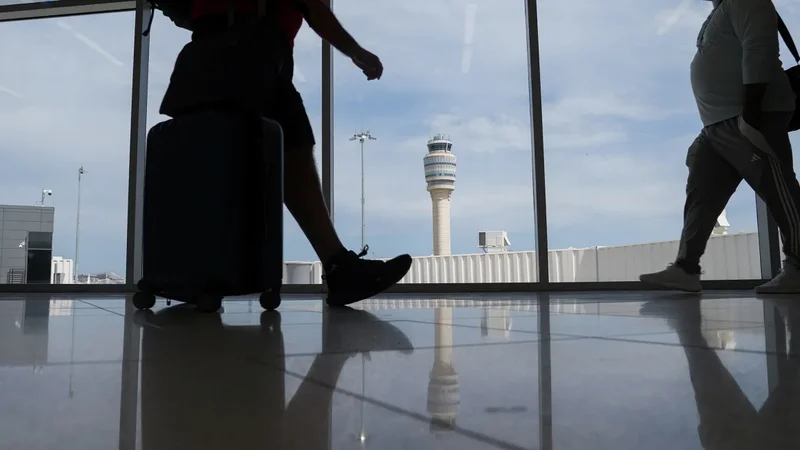
Passengers traveling through Ghana’s airports are facing increased costs as the government officially implements the Airport Infrastructure Development Charge (AIDC). This new levy, designed to fund the modernization of national aviation infrastructure, applies to domestic, regional, and international flights. While the government maintains that the revenue is essential for critical upgrades to the nation's gateways, the move has sparked significant concern among industry stakeholders regarding Ghana's competitiveness as a regional aviation hub in West Africa.
Under the new fee structure, domestic travelers are seeing an additional GH¢100 added to one-way fares. Major domestic carriers, including PassionAir and Africa World Airlines (AWA), have already begun adjusting their pricing to reflect this change. For regional travel, passengers will now pay an extra $30 for one-way tickets and $70 for return trips. The impact is even more pronounced for international travelers, who face surcharges of $50 on one-way tickets and $100 on return journeys. These increases come at a challenging time for the industry, as airlines are also grappling with rising aviation fuel prices and ongoing geopolitical tensions.
The implementation has drawn criticism from international carriers and aviation experts who worry about the long-term effects on passenger volumes. StellaMaris Ndunge Akhwale, Country Manager for Qatar Airways, warned that the $100 charge on return tickets could elevate Ghana into the top ten most expensive countries globally for passenger charges. Critics argue that these high levies directly contradict a mandate from the Economic Community of West African States (ECOWAS) aimed at reducing regional air transport taxes to bolster connectivity. There are fears that if Ghana becomes too expensive, passengers and airlines may opt for alternative regional hubs, potentially undermining the growth of the local aviation sector.
Despite the pushback, proponents of the levy suggest that such charges are necessary to alleviate the financial burden on the country's airport systems and ensure sustainable maintenance. The revenue generated is earmarked for high-priority projects, such as the expansion of the terminal concourse and parking facilities at Kotoka International Airport (KIA), as well as improvements to regional airports. As the government moves forward with its infrastructure modernization program, the balance between funding essential development and maintaining an affordable, competitive market remains a central point of debate for Ghana’s business and travel sectors.
This story touches markets covered on Anansi Intelligence ↗.
More from business
Continue exploring similar stories

