••
Empowering a New Generation: GEA Distributes Start-Up Kits as Shatta Wale Champions Agribusiness for Youth
•2 min read•5 sources
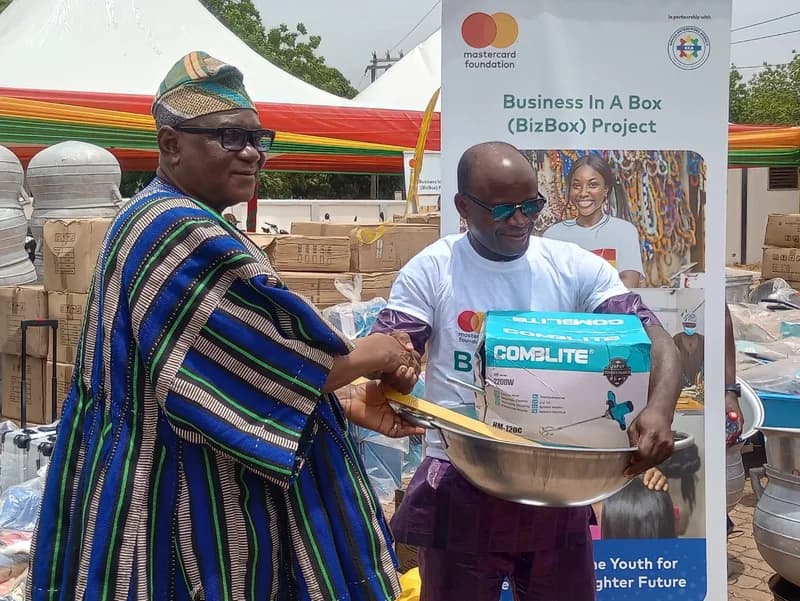
In a concerted effort to tackle unemployment and foster economic independence among Ghana's youth, two major initiatives have highlighted a growing national shift toward vocational skills and agribusiness. The Ghana Enterprises Agency (GEA), in partnership with the Mastercard Foundation, recently provided essential start-up kits to 481 young entrepreneurs in the Tamale Metropolis. This institutional support aligns with a high-profile advocacy campaign by dancehall star Shatta Wale, who is urging the youth to look beyond traditional office roles and embrace the lucrative potential of the agricultural sector to secure their financial futures.
The GEA distribution in Tamale, conducted under the "Business in a Box" (BizBox) initiative, equipped beneficiaries with tools for diverse trades, including rice processing, plumbing, auto mechanics, carpentry, and food processing. During the ceremony, GEA Chief Executive Officer Ms. Margaret Ansei emphasized that providing young people with employable skills and resources is a critical strategy for reducing crime and addressing urban unemployment. Local leaders, including Tamale Metropolitan Chief Executive Alhaji Adam Abubakari Takoro and Professor Seidu Alidu Mahama, praised the initiative as a vital investment in sustainable livelihoods and regional economic development, urging the youth to use the kits responsibly to grow their businesses.
Complementing these institutional efforts, Shatta Wale has emerged as a vocal advocate for the "Youth in Palm Plantation Initiative." Speaking at its recent launch, the artist shared his personal investment experiences in agriculture, stressing that agribusiness offers a viable path to financial freedom and job creation. He challenged young Ghanaians to pivot away from unproductive social media distractions and instead apply discipline and focus toward strategic partnerships in farming. The initiative has already garnered significant support from traditional authorities, who have allocated land to empower youth interested in palm plantation ventures.
Beyond the immediate provision of tools and land, both the GEA and private sector advocates are emphasizing long-term sustainability. The GEA has signaled its commitment to providing ongoing support through grants and loans for the BizBox beneficiaries, ensuring they have the capital necessary to scale their operations. This holistic approach to entrepreneurship—combining physical resources, vocational training, and influential mentorship—aims to build a resilient workforce capable of driving Ghana's economic growth. As the country navigates evolving economic challenges, the synergy between government-backed programs and cultural influencers marks a significant turning point in the national strategy for youth empowerment.
This story touches markets covered on Anansi Intelligence ↗.
Related topic
Shatta Wale: Latest News & Updates →More from business
Continue exploring similar stories

