••
California to Enforce Traffic Laws on Autonomous Vehicles with New Ticketing Regulations
•2 min read•1 source
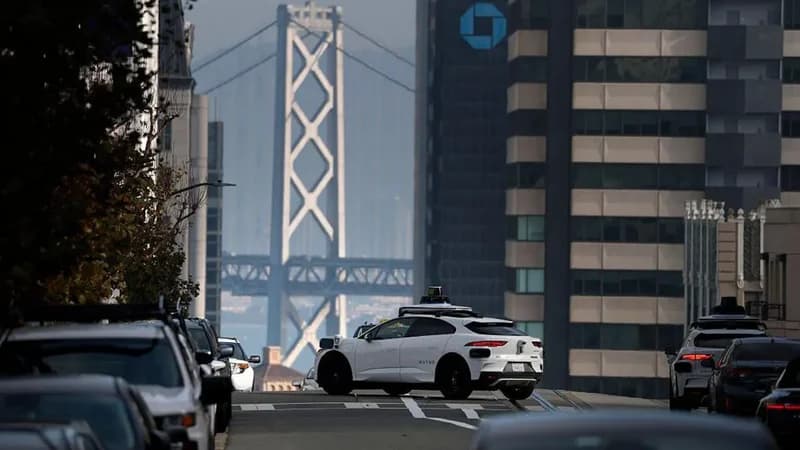
California is set to tighten its grip on the autonomous vehicle (AV) industry with the introduction of new regulations that allow law enforcement to ticket driverless cars for traffic violations. Starting July 1, the California Department of Motor Vehicles (DMV) will empower police officers to issue a "notice of AV noncompliance" directly to car manufacturers when their autonomous systems fail to adhere to road laws. This move marks a significant shift in how the state handles the legal accountability of self-driving technology as it becomes more integrated into the daily traffic flow of major cities.
The new rules are part of a comprehensive 2024 law designed to address specific safety concerns and technical failures observed during the testing and deployment of these vehicles. High-profile incidents, including a notable blackout in San Francisco that caused numerous autonomous cars to malfunction and obstruct traffic, highlighted the need for clearer enforcement protocols. Under the updated regulations, manufacturers are not only responsible for basic traffic infractions but are also required to ensure their vehicles respond promptly to emergency calls. Furthermore, the law introduces potential penalties for vehicles that enter active emergency zones, a measure intended to prevent AVs from interfering with first responders.
This regulatory initiative underscores California's dual role as a global hub for AV innovation and a pioneer in public safety oversight. By establishing a framework where manufacturers are held accountable for the real-time behavior of their software, the DMV aims to strike a balance between technological progress and the protection of citizens and emergency responders. As other jurisdictions monitor the implementation of these laws, the success of this ticketing system could set a precedent for how driverless vehicle compliance is managed worldwide, ensuring that the transition to autonomous transport does not compromise public safety standards.
This story touches markets covered on Anansi Intelligence ↗.
More from technology
Continue exploring similar stories


