••
Asante Gold Faces Steep $345 Million Loss Amid Rising Costs and Operational Hurdles in 2025
•2 min read•4 sources
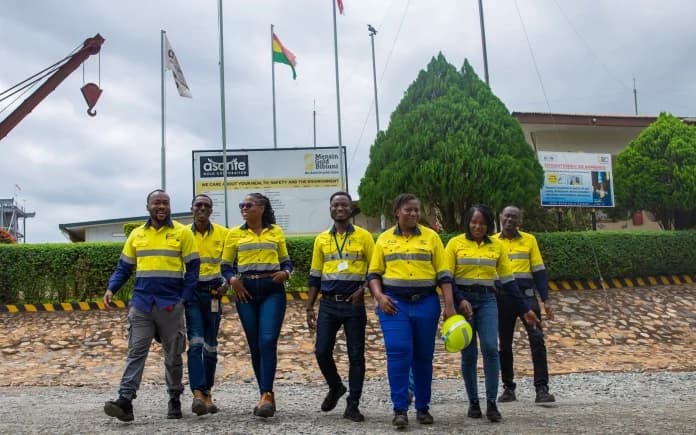
Asante Gold Corporation has reported a staggering net loss of US$345.44 million for the eleven-month period ending December 31, 2025. This represents a more than five-fold increase from the US$62.18 million loss recorded in the previous financial year. While the company saw revenue climb slightly to US$482.59 million—buoyed by record-high gold prices averaging US$3,372 per ounce—this gain was overshadowed by a sharp decline in production and soaring operational costs. The company's basic loss per share climbed to US$0.55, reflecting the deepening financial strain on the mining firm.
The downturn was largely driven by production shortfalls at Asante Gold’s flagship Bibiani and Chirano mines. Total gold equivalent production fell to 146,571 ounces, down from 189,600 ounces the year prior, with gold sales similarly dropping from 190,985 ounces to 143,138 ounces. These declines were attributed to lower ore grades and significant operational challenges. Consequently, the all-in sustaining costs (AISC) ballooned to an unsustainable US$3,902 per ounce, nearly doubling the previous year's figure of US$2,168 per ounce. The combination of lower output and higher extraction costs has left the company grappling with a massive accumulated deficit of US$655.37 million.
In response to its liquidity crisis, Asante Gold has been aggressive in securing capital, completing a series of financing packages totaling approximately US$407 million. This includes a US$150 million senior debt facility aimed at stabilizing the balance sheet. Despite these efforts, the company’s auditors have issued a "going concern" warning, highlighting a working capital deficiency of US$229.33 million. This regulatory caution underscores the precarious nature of the firm’s current financial standing and the urgent need for a turnaround in its cash flow and operational efficiency.
Looking forward, Asante Gold is undergoing a comprehensive operational review following recent changes in management. The review is intended to enhance reliability and streamline production at its Ghanaian sites. Externally, the company is also navigating a changing regulatory environment in Ghana, where a new sliding scale for mining royalties has been implemented based on gold prices. As the company works to stabilize its operations, the success of its strategic review and the impact of these regulatory adjustments will be critical in determining whether the miner can overcome its current hurdles and leverage the high global price of gold.
This story touches markets covered on Anansi Intelligence ↗.
Live rates
Ghana gold price →More from business
Continue exploring similar stories

