••
Identity, Respect, and Resilience: Ambolley Challenges Top Stars as Artists Navigate Fame and Financial Lessons
•3 min read•5 sources
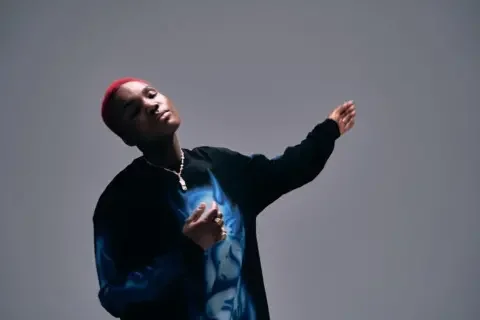
Veteran Highlife musician Gyedu-Blay Ambolley has sparked significant conversation within the Ghanaian music industry by questioning the artistic identities and titles of contemporary heavyweights Shatta Wale and Black Sherif. Speaking on Starr FM, Ambolley argued that Shatta Wale cannot claim the "Dancehall King" title given the genre’s Jamaican origins and critiqued rising star Black Sherif for lacking a distinct "Ghanaian identity" in his music. He urged local artists to embrace their cultural roots, drawing a comparison to Nigerian artists who have successfully exported their unique sounds globally. Ambolley emphasized that an artist's worth should not be defined by international awards like the Grammys, but rather by their local impact and cultural authenticity.
In a notable display of maturity, Shatta Wale responded to Ambolley’s critiques with respect rather than his usual firebrand persona. Taking to Facebook, Wale urged his followers to show reverence for the veteran musician’s contributions to the industry, a move that has been widely praised by fans and industry observers alike. Despite Ambolley’s critique regarding identity, Black Sherif’s presence in the industry remains potent; he is currently featured in the music video for Richie Rhymes' "Na U Wossop," a track that is experiencing a massive resurgence four years after its initial release. Rhymes attributed the song's new-found popularity to its catchy hook and the opportune timing of its recent promotion.
Beyond the debates over musical identity, other artists are speaking out about the personal and financial pressures of fame. Afrobeats singer Bella Shmurda recently shared a candid revelation about his brush with financial ruin, admitting that an extravagant lifestyle and the burden of supporting friends nearly led him to bankruptcy. Shmurda’s confession serves as a cautionary tale for young artists on the importance of wise money management. Similarly, British-Nigerian artist Arlo Parks is navigating a phase of artistic transformation. In her third album, "Ambiguous Desire," Parks shifts from her signature introspective style to embrace the vibrant, collective energy of club culture, a change she describes as a journey of "getting out of her head and into her body."
These diverse developments highlight a common thread in the modern music world: the constant negotiation between individual expression, financial stability, and cultural expectation. While Richie Rhymes celebrates the delayed success of a hit that finally found its moment, the critiques from veterans like Ambolley remind the younger generation of the importance of heritage. Whether through learning financial discipline like Bella Shmurda or exploring new creative freedoms like Arlo Parks, these artists are defining what it means to be a performer in an increasingly globalized yet culturally sensitive industry.
This story touches markets covered on Anansi Intelligence ↗.
Related topic
Shatta Wale: Latest News & Updates →More from entertainment
Continue exploring similar stories


