••
Celebrating Excellence and Resilience: Africa Honors Icons Amidst Digital and Economic Shifts
•2 min read•6 sources
The 2026 African Heritage Awards, held at the Mövenpick Ambassador Hotel in Accra, served as a significant milestone for continental recognition, honoring leaders who are shaping Africa’s narrative. British-Ghanaian lawyer Bianca Akweley Clinton was named the 'African Legal Icon' for her transformative work in law and gender equity, while renowned broadcaster Nat Kwabena Adisi, popularly known as Bola Ray, received the 'African Media Icon Award.' Attended by President John Dramani Mahama, the ceremony emphasized the importance of African excellence in leadership, media, and entrepreneurship. Bola Ray, reflecting on his nearly 30-year career, dedicated his award to the storytellers and dreamers across the continent, highlighting the growing global influence of African media.
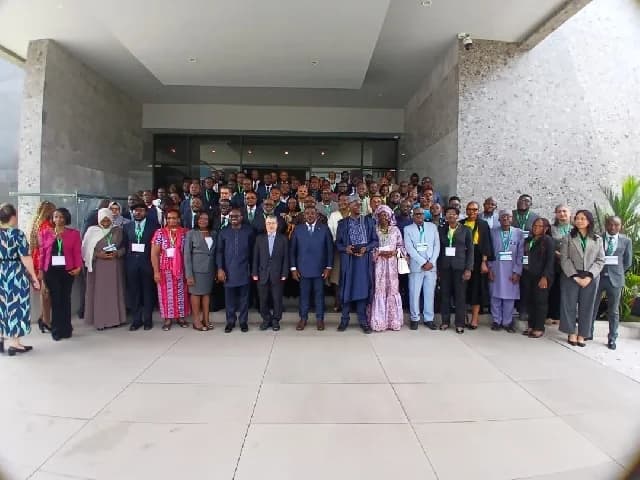
Parallel to these celebrations of personal achievement, Ghana is taking a proactive stance in the global digital landscape by hosting the inaugural African preparatory meeting for the World Telecommunications Standardization Assembly (WTSA 2028). Minister Sam Nartey George and ITU Director Seizo Onoe emphasized the necessity of a unified African voice in digital standardization to bridge the digital divide and enhance cybersecurity. This push for digital sovereignty comes amidst a tech-saturated environment where global figures like Elon Musk can inadvertently spark local confusion; a recent tweet from Musk referring to a Tesla 'APC' (Armoured Personnel Carrier) triggered a debate in Nigeria, where many users mistook the acronym for the ruling All Progressives Congress party.
However, the continent faces significant external headwinds that could test its economic and cultural resilience. Fitch Ratings recently warned that a prolonged conflict in Iran could drive oil prices to $100 per barrel, potentially forcing African central banks to tighten monetary policy to combat inflation, particularly in nations like South Africa and Tunisia. While African banks currently maintain healthy capital buffers and strong operating profits, the potential for currency pressure and impaired loans remains a concern for the region's financial stability.
In response to these diverse challenges, stakeholders are also calling for a strengthening of Africa's internal cultural and social foundations. During a recent conference in Accra, artists and academics urged for greater state investment in art infrastructure to preserve Ghana’s cultural heritage. Experts argued that neglecting public art poses risks to national identity and that robust institutional support is essential for educating future generations. Together, these developments paint a picture of a continent striving for self-definition—balancing the celebration of legal and media luminaries with the hard work of digital policy-making, economic foresight, and cultural preservation.
This story touches markets covered on Anansi Intelligence ↗.
Live rates
Bank of Ghana policy rate →More from africa
Continue exploring similar stories


